Build a Landscape-Wide Biodiversity Database
Challenge
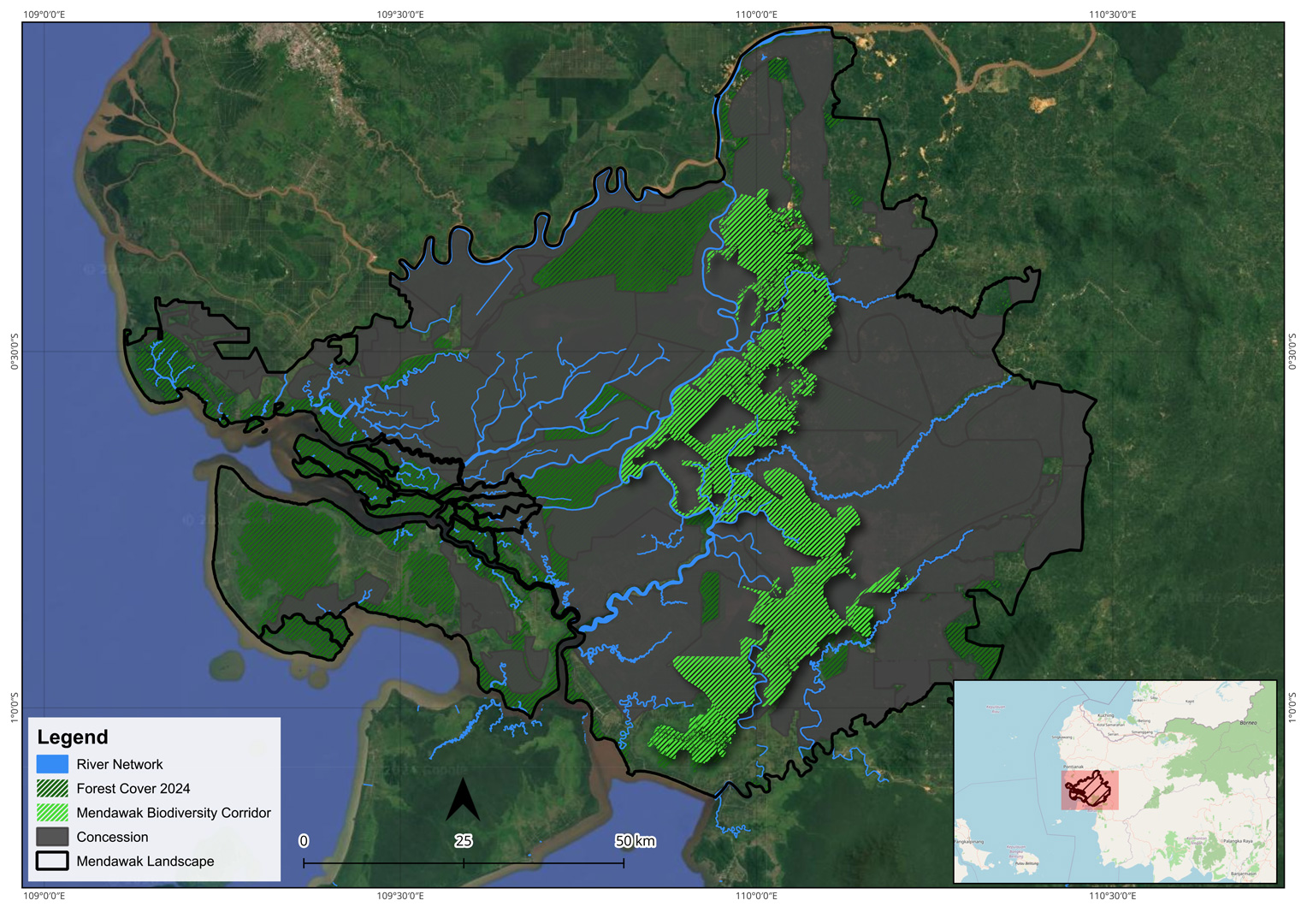
The availability of biodiversity data in the Mendawak Landscape is still limited, especially as most of the landscape is allocated to industrial concessions and there is often a reluctance by companies to conduct biodiversity surveys or publish data. This lack of data makes it difficult to build a scientific basis for conservation planning and integrated landscape management, especially in forest corridors where knowledge of mammal presence is necessary for the identification of key habitat and any other issues associated with the forest recovery projects (for example human-wildlife conflict as a result of foraging by mammals in forest-farm areas).
Solution
We are conducting biodiversity surveys throughout the landscape and encouraging companies operating concessions to publish any biodiversity data they hold.
Progress
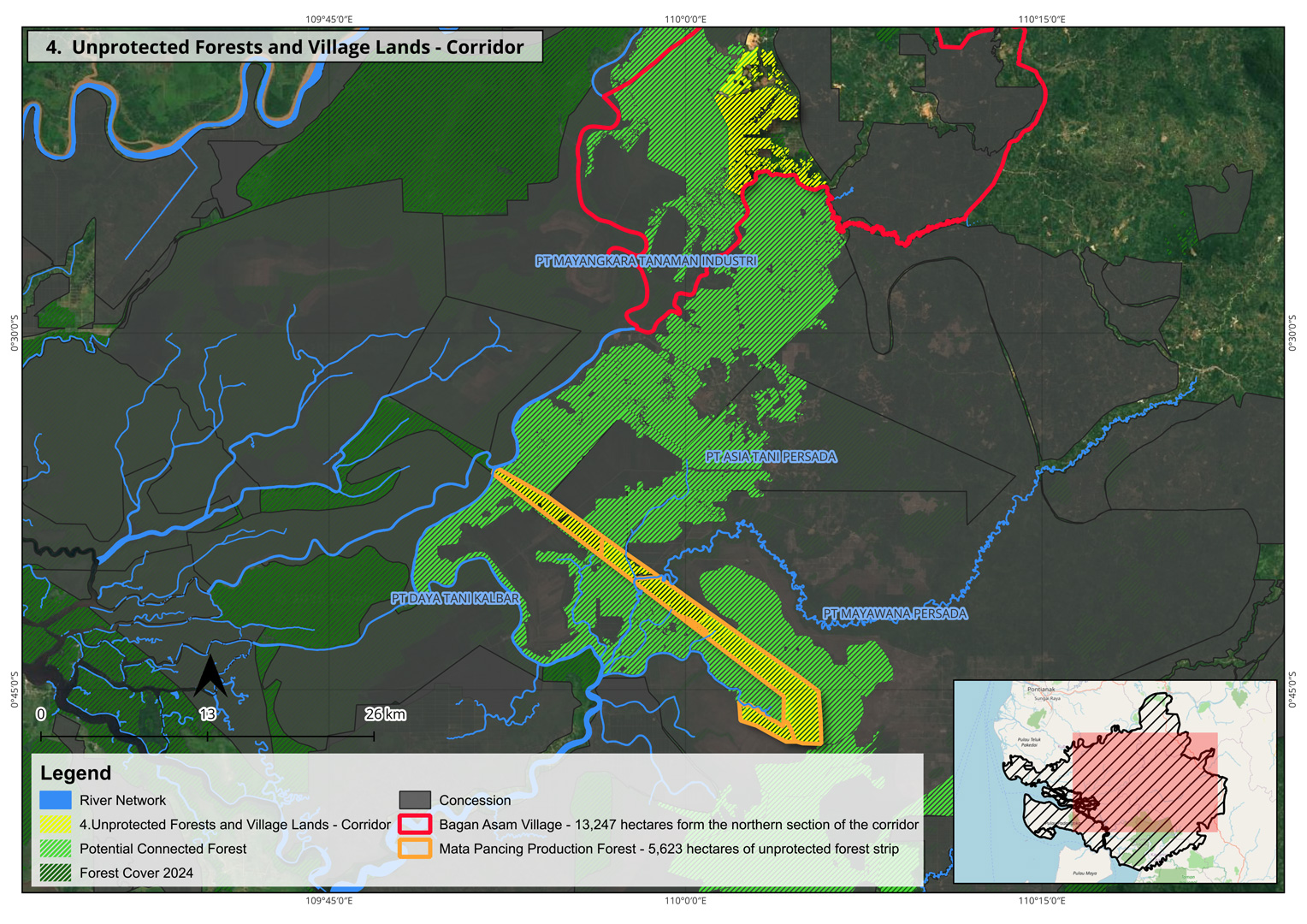
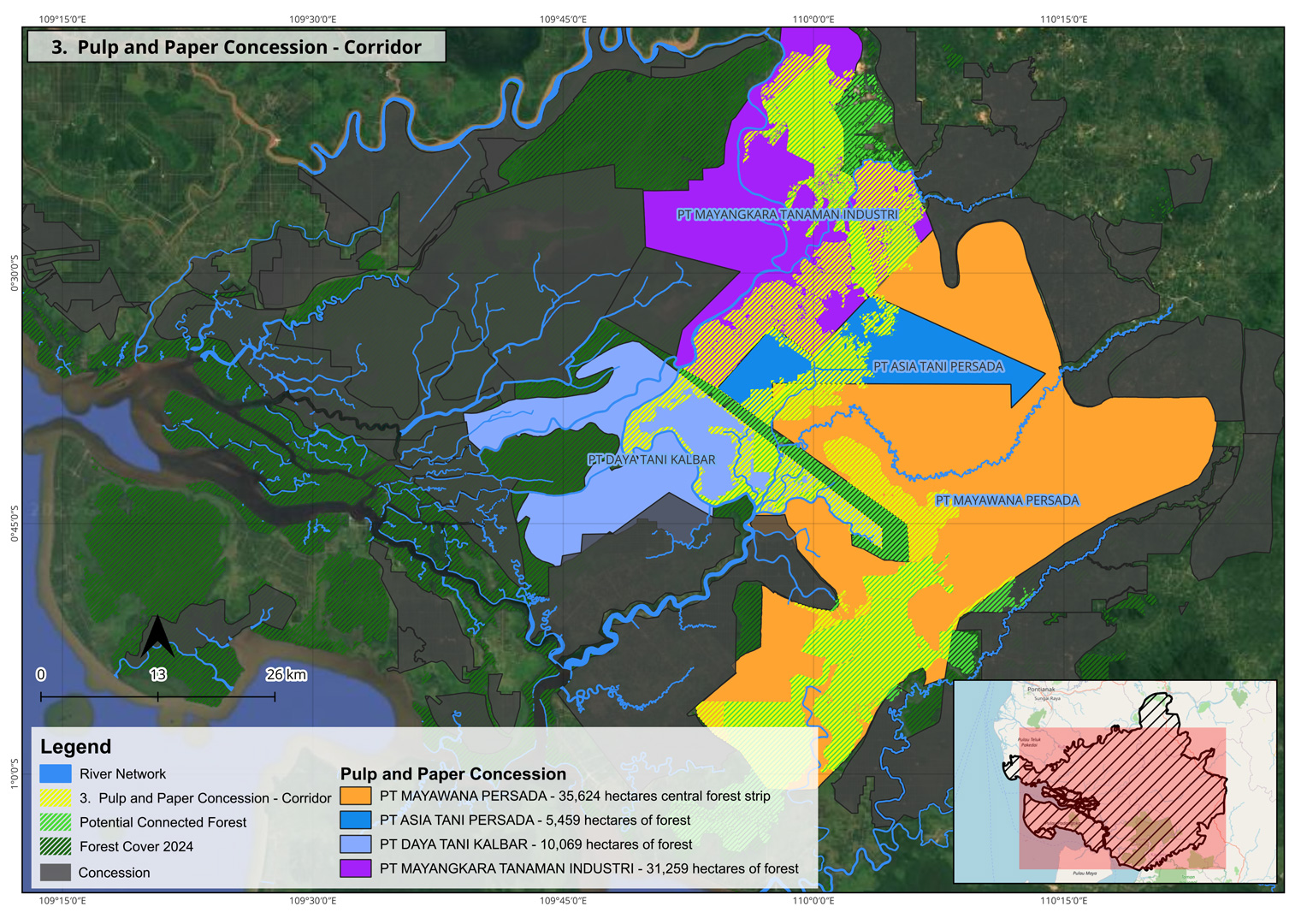
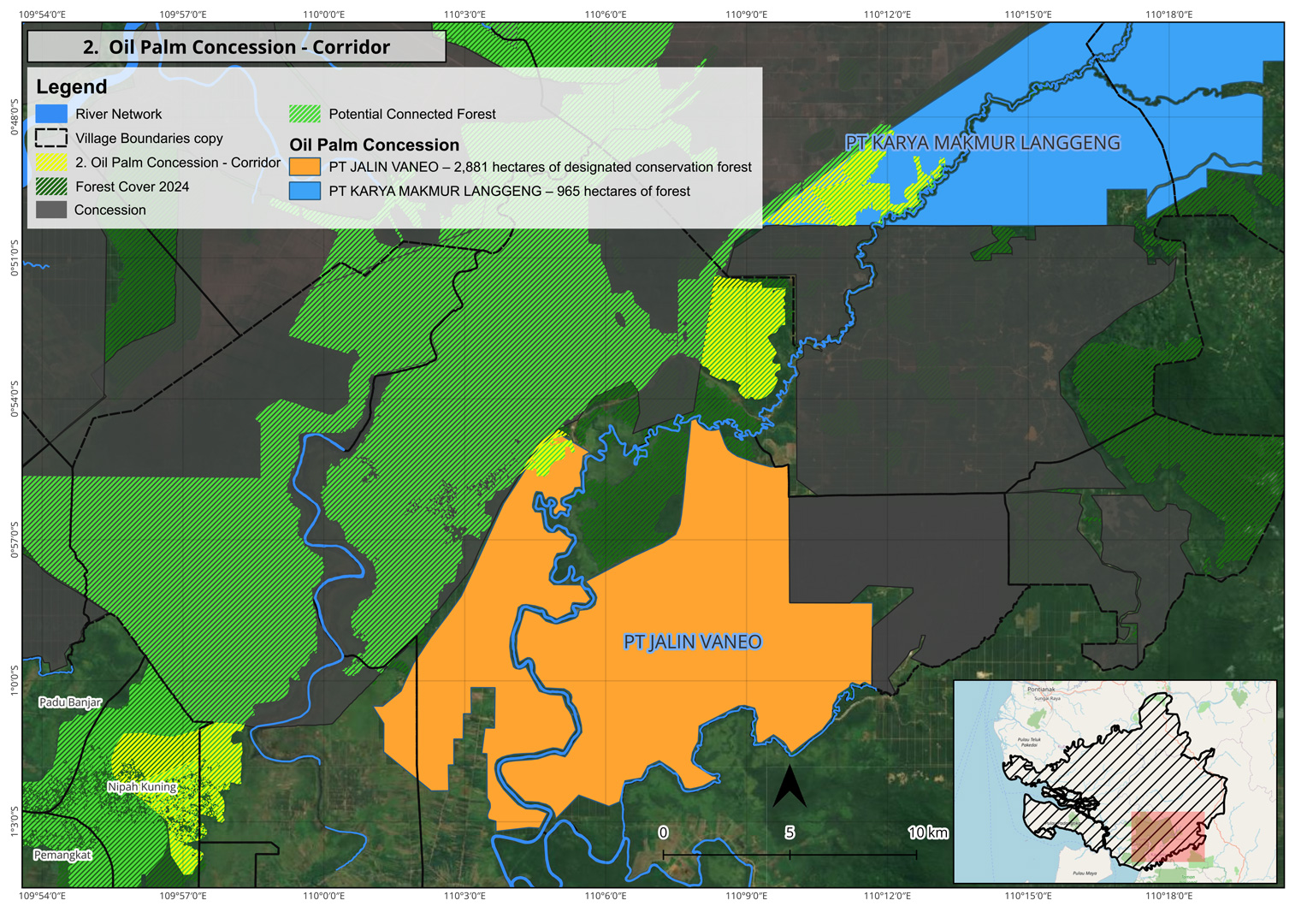
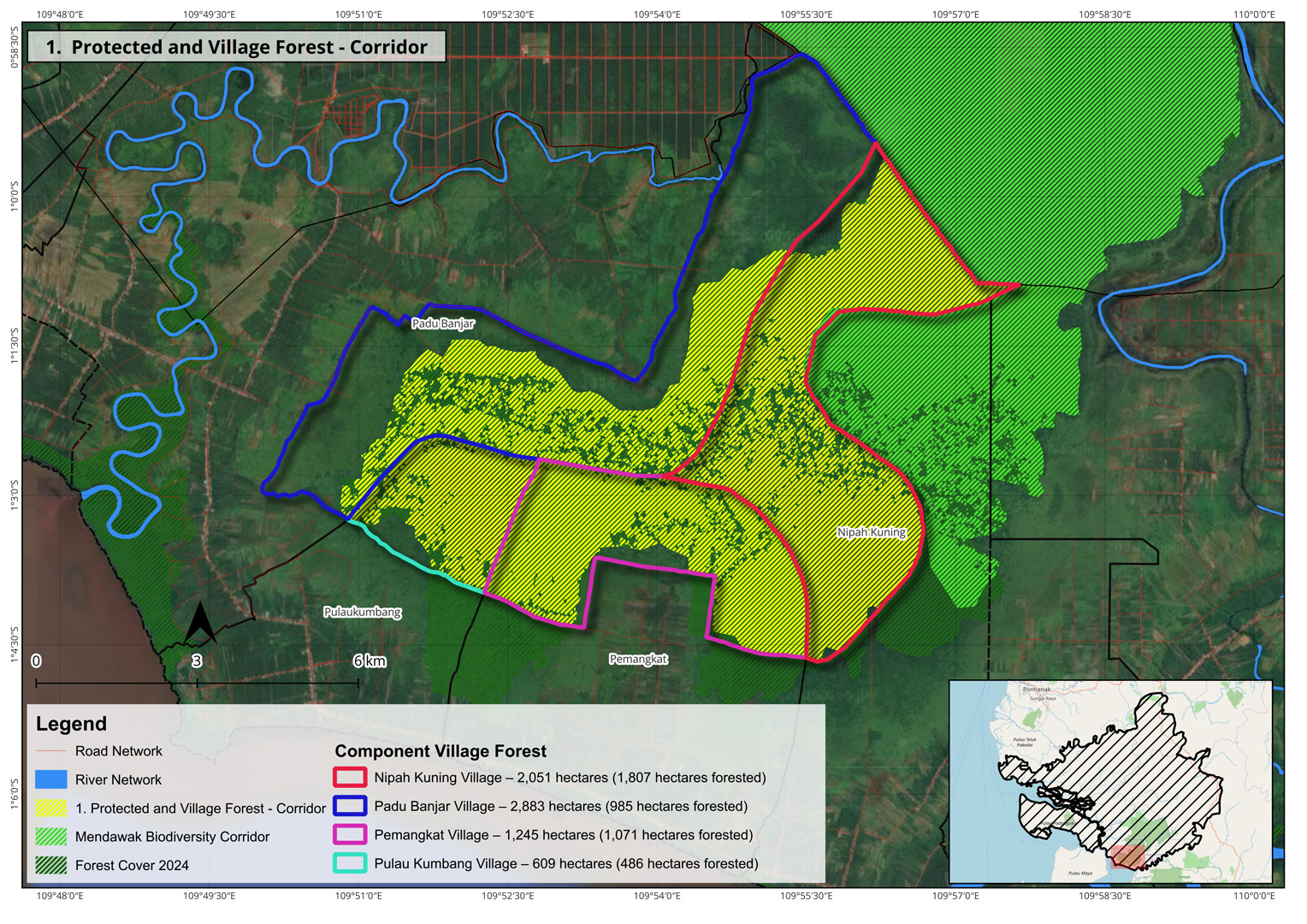
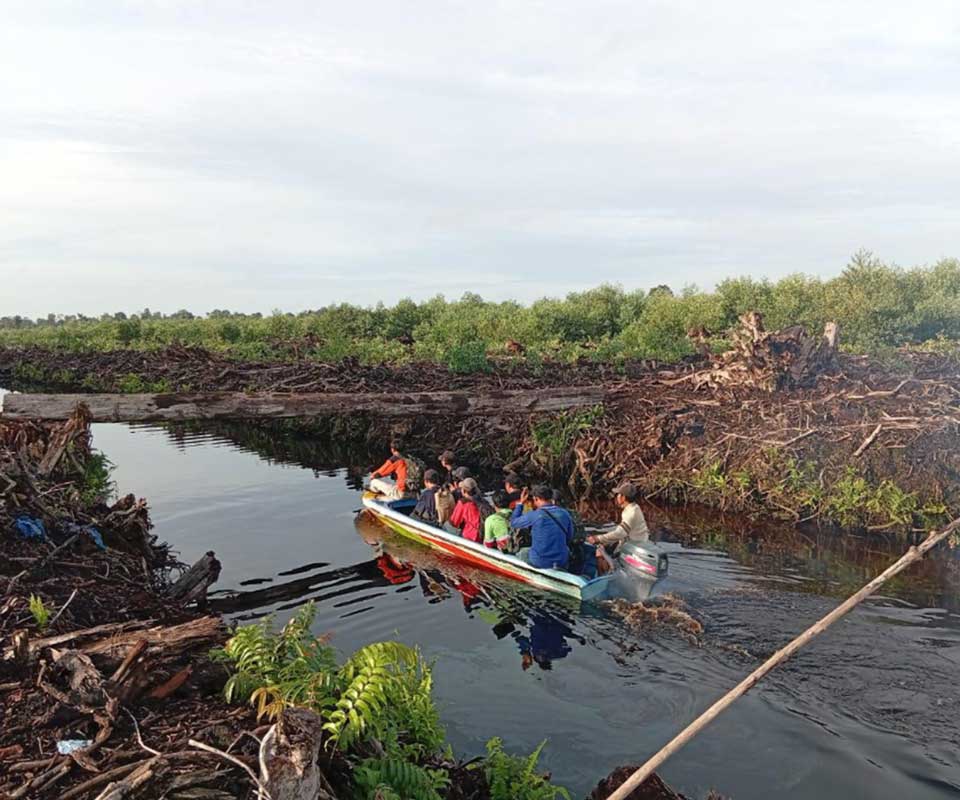
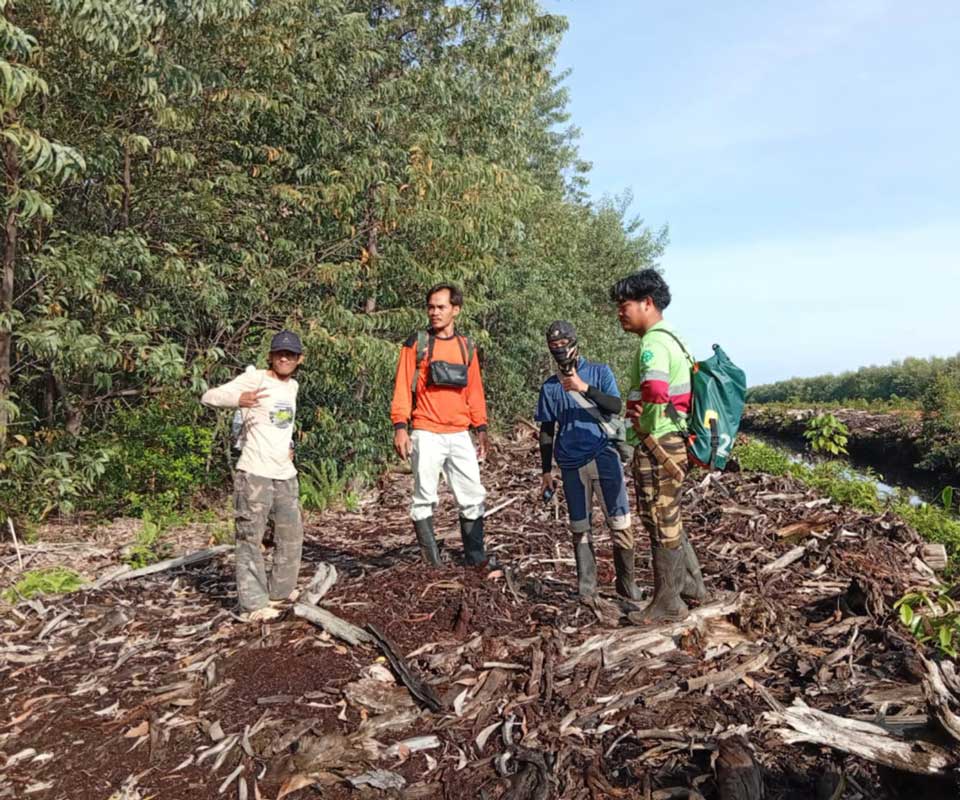
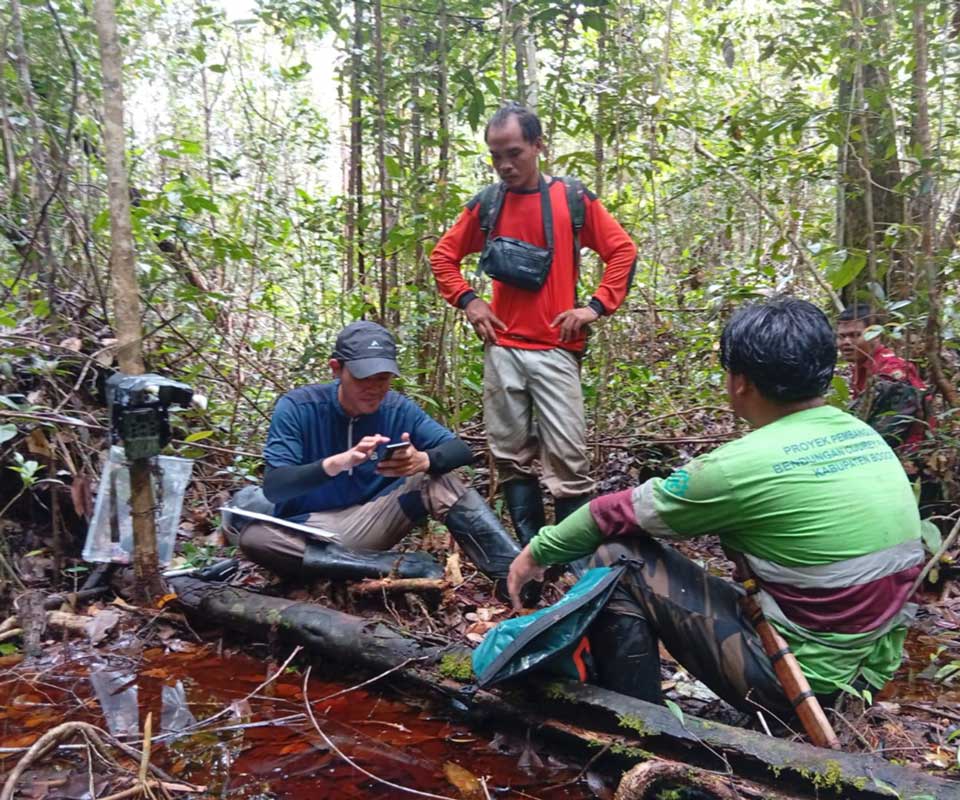
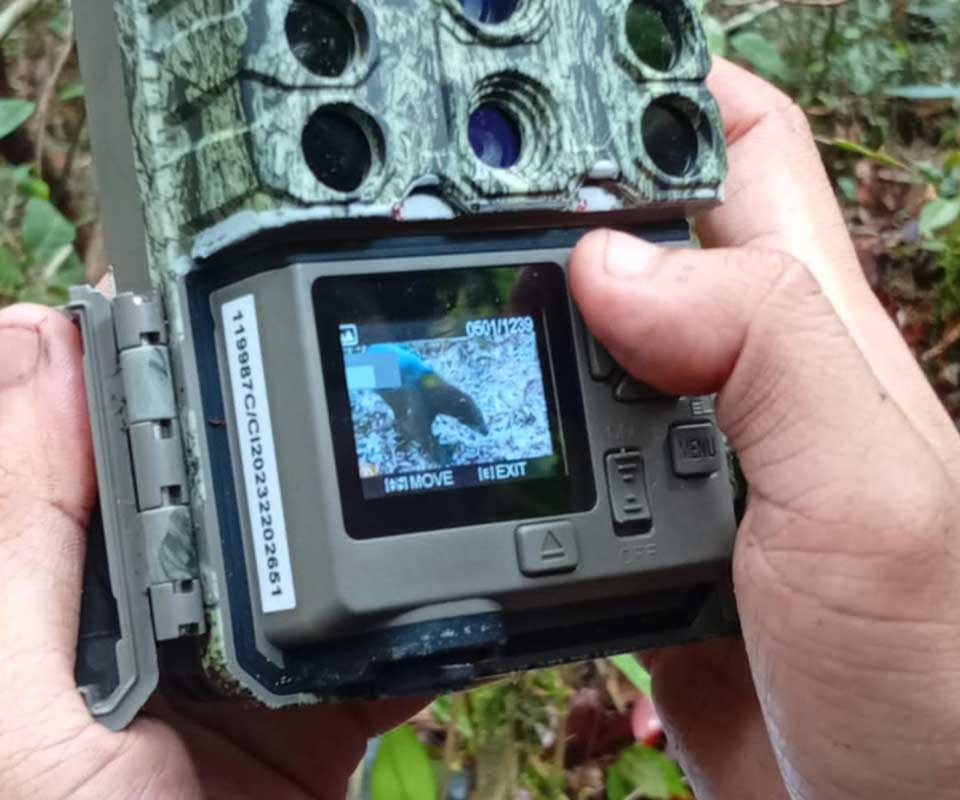
We are conducting biodiversity surveys in recognised biodiversity hotspots in Mendawak, with priority given to the forest corridor we are developing in Mendawak’s east. In 2025, we placed 35 camera traps in and around PT Mayawana Persada. This confirmed the presence of orangutans in every section of a 35,623 hectare forest block that runs from south to northeast of the concession, and in the far east of Mata Pancing, an unprotected Production Forest outside of the concessions.
The presence of orangutans in the concession was further confirmed by an orangutan nest survey conducted by the Faculty of Forestry at Tanjungpura University, the data from which was analysed by experts from the NGO Yayasan Palung. These confirmed orangutans were present in every part of forest and PT Mayawana Persada supports a population of 124 orangutans, down from its likely historic high of 2,000.
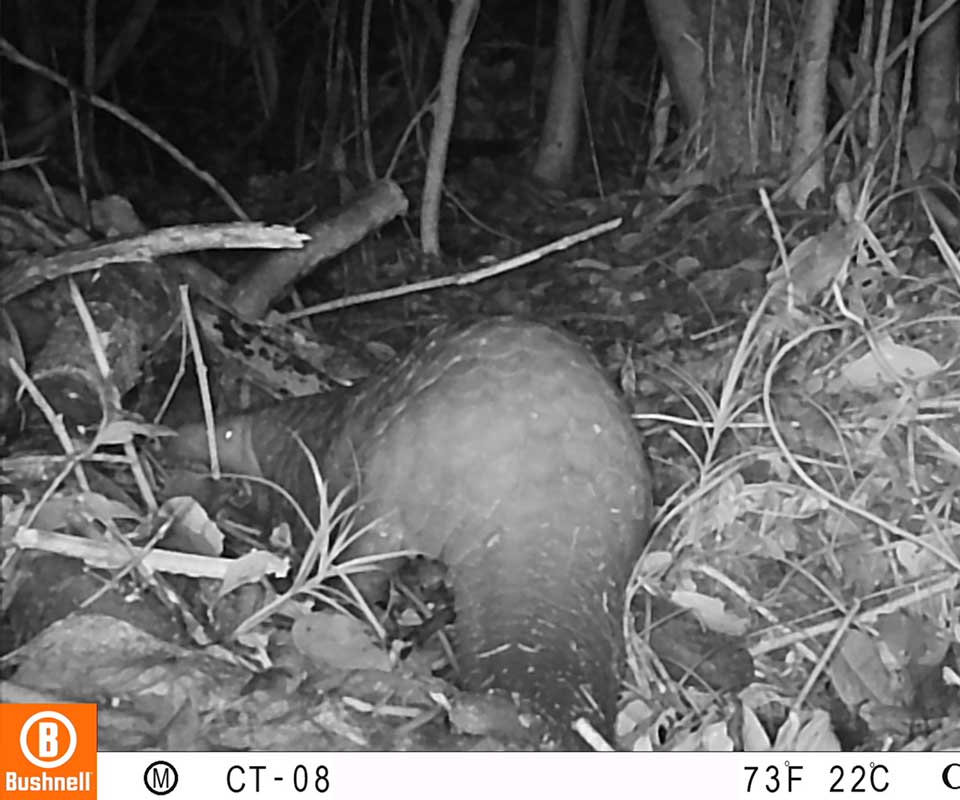
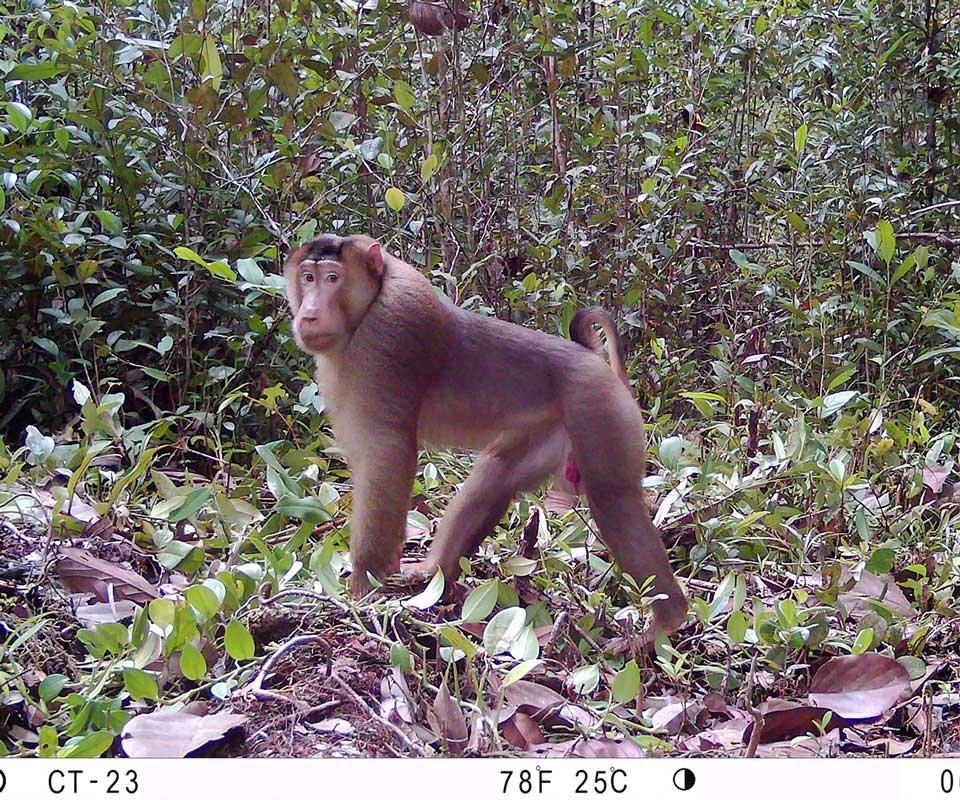
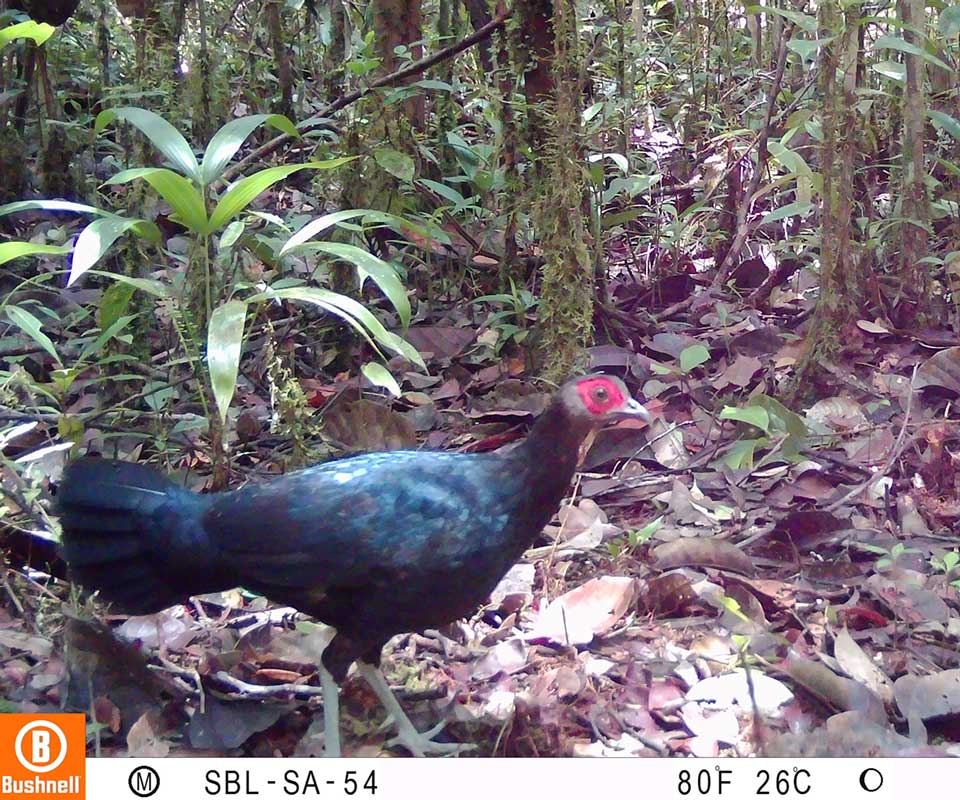
As well as orangutans, other Critically Endangered, Endangered and Vulnerable species found inside PT Mayawana Persada include:
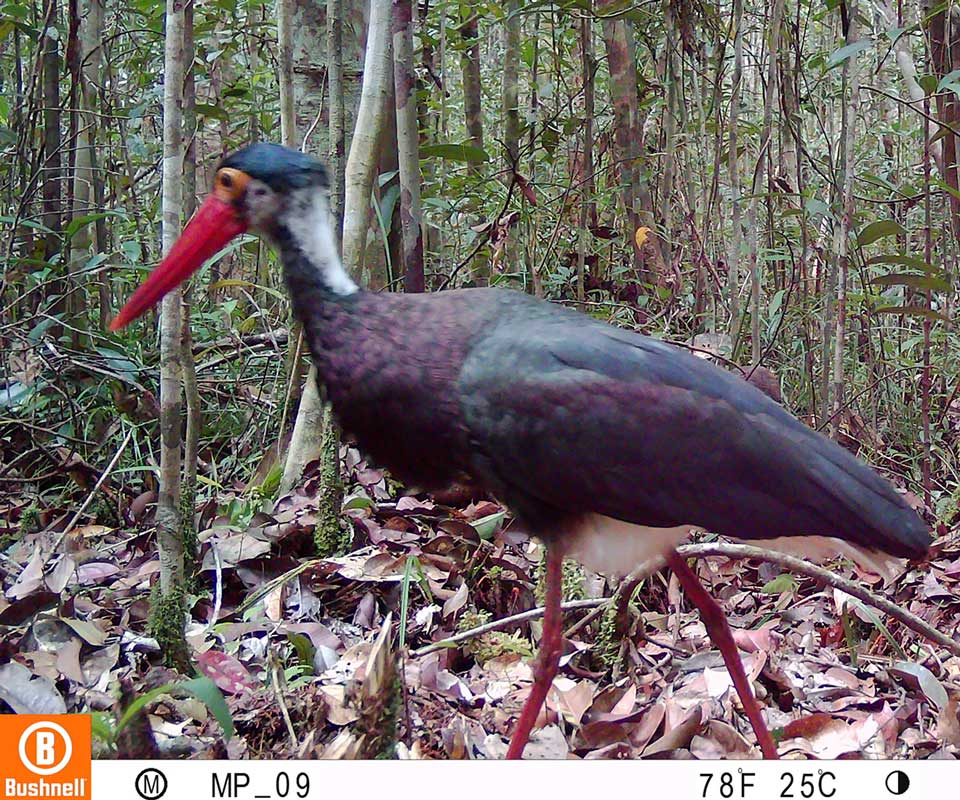
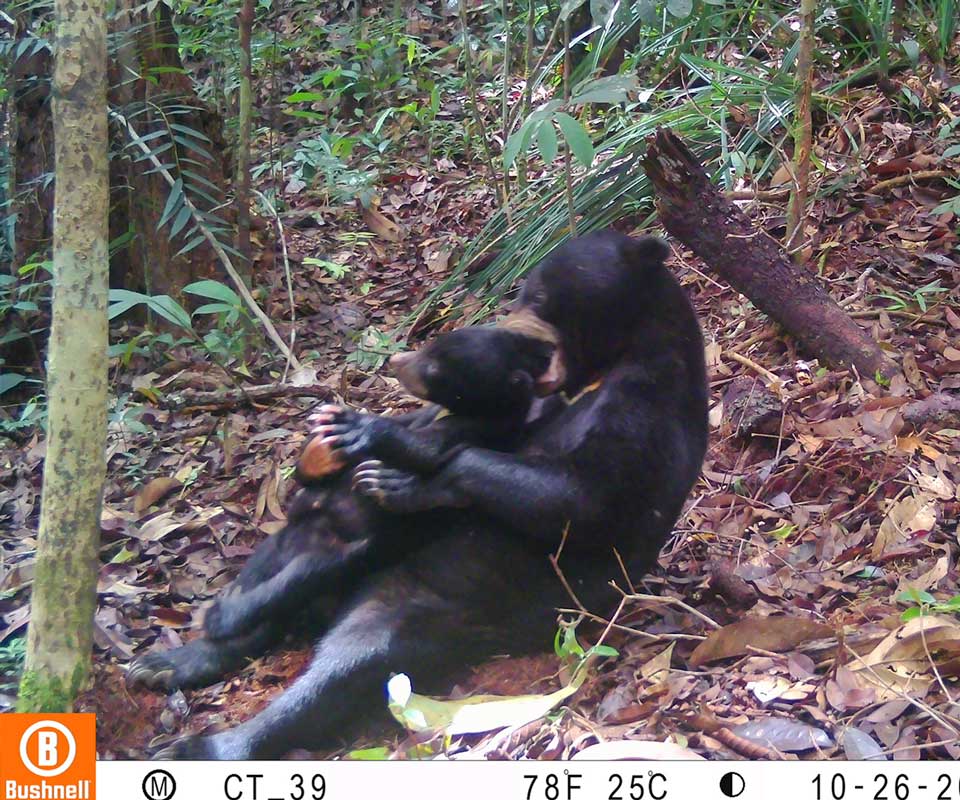
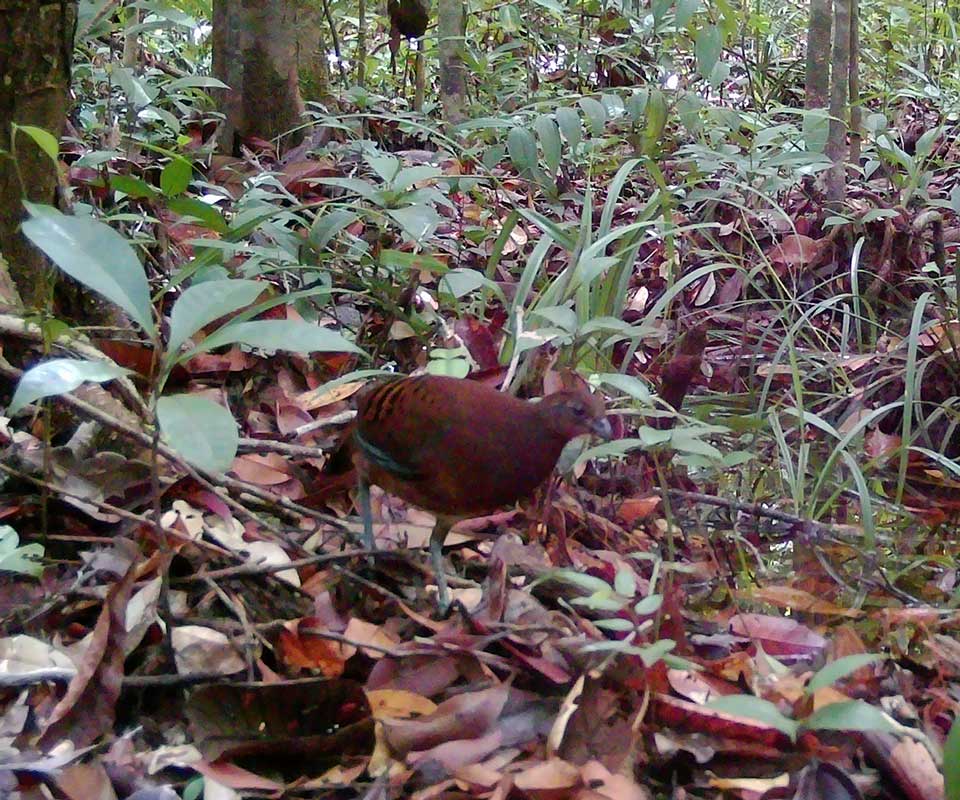
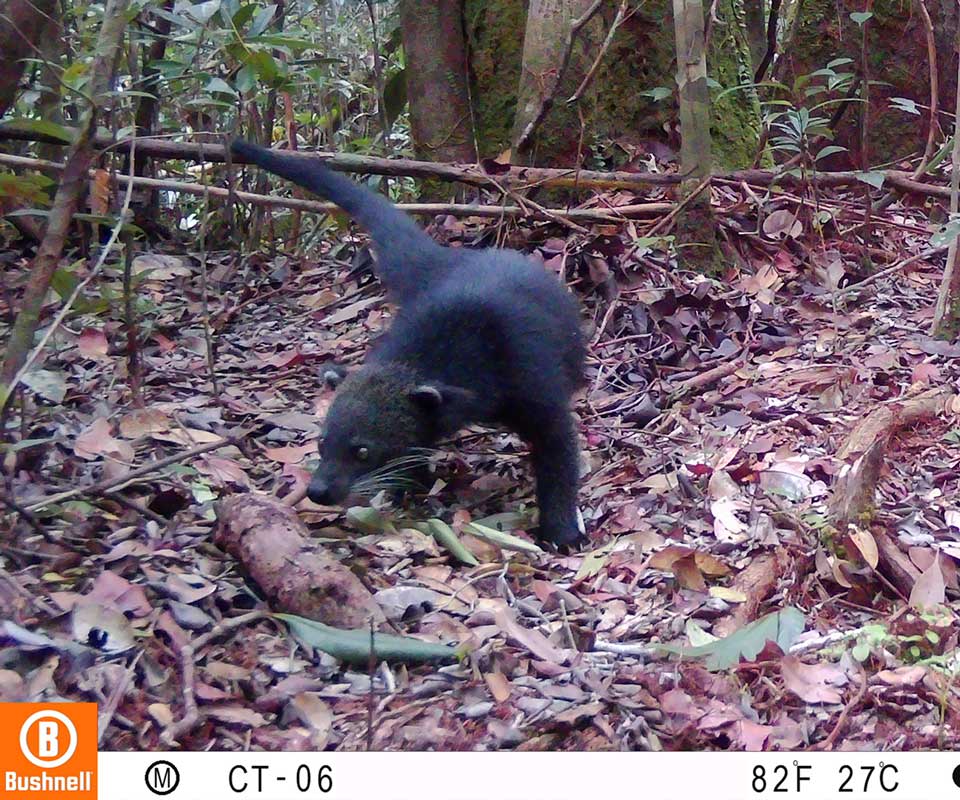
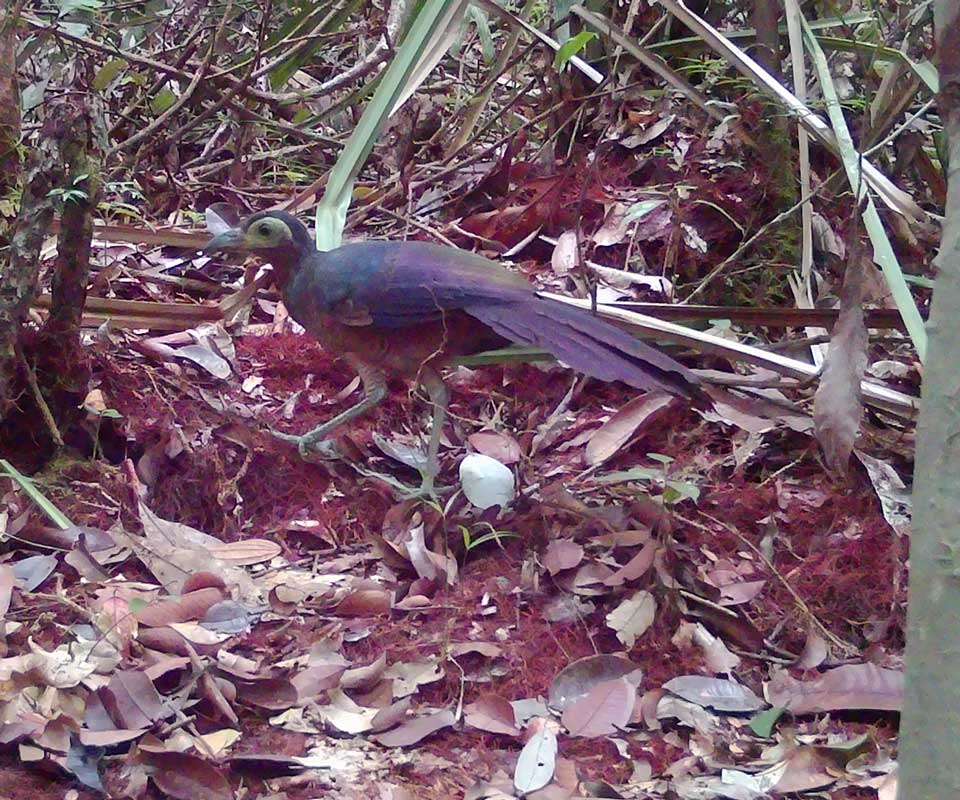
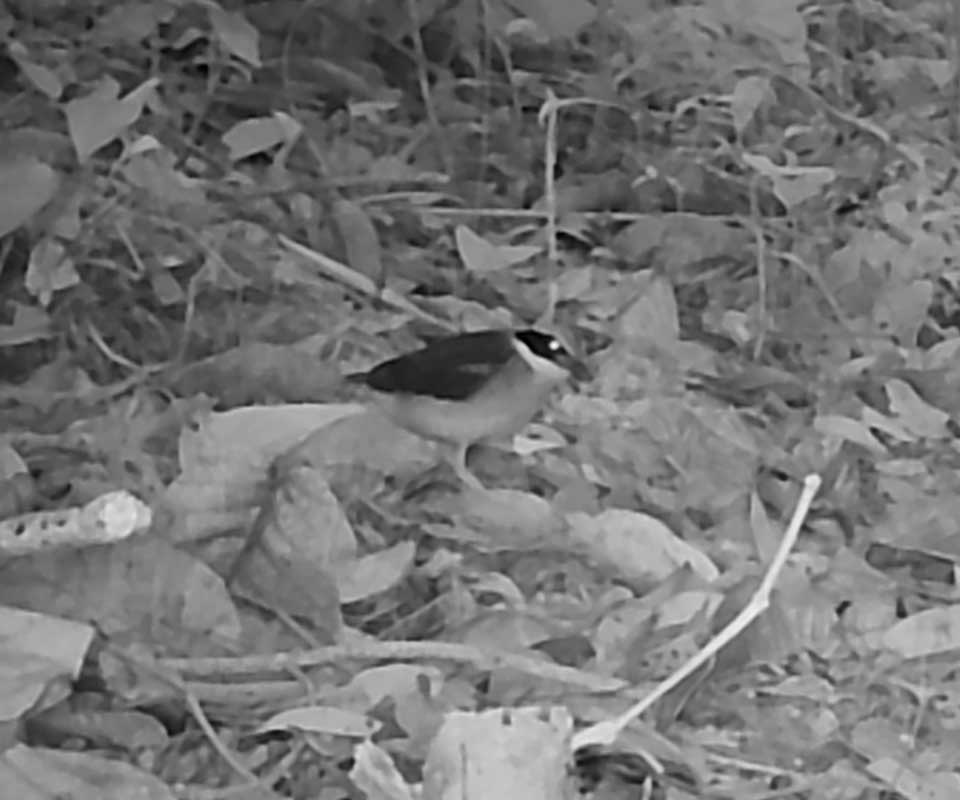
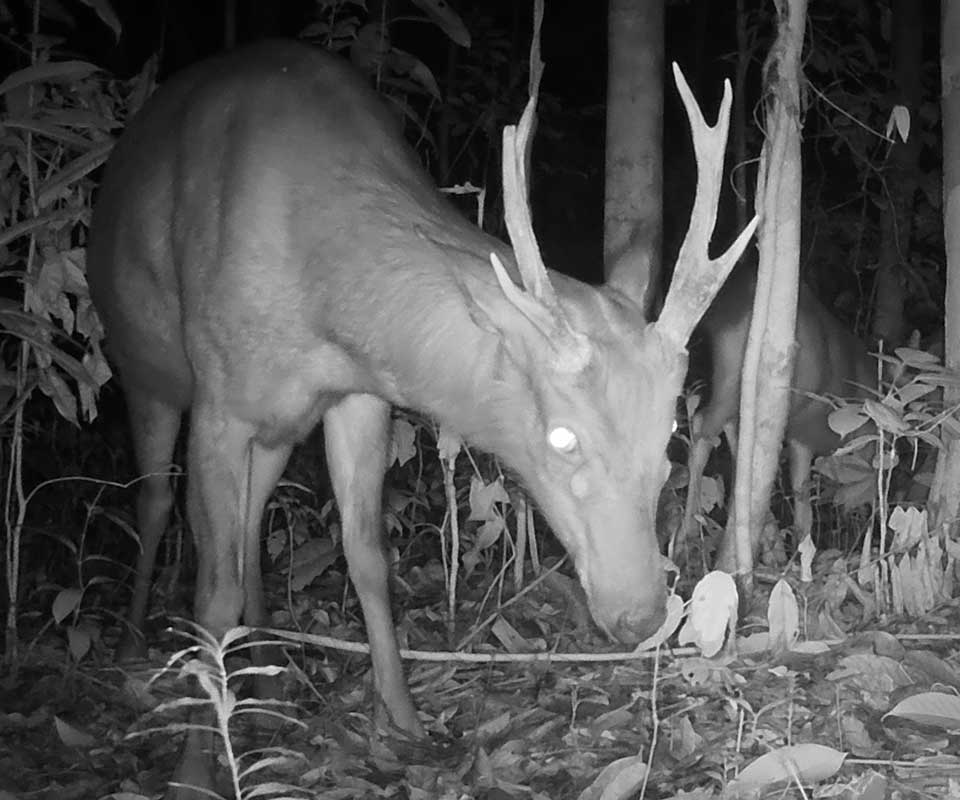
As of April 2026, further camera trap surveys are being conducted in Bagan Asam village. These are being complemented by the placement of bioacoustics recorders, which will confirm the presence of wildlife that vocalises but is not picked up by cameras (for example, gibbons, which vocalise but rarely come to the ground and are underrepresented in camera trap surveys).