Sangga Farming
Transforming Agriculture in Diverse Landscapes
Climate‑Smart Agriculture for Resilient Communities
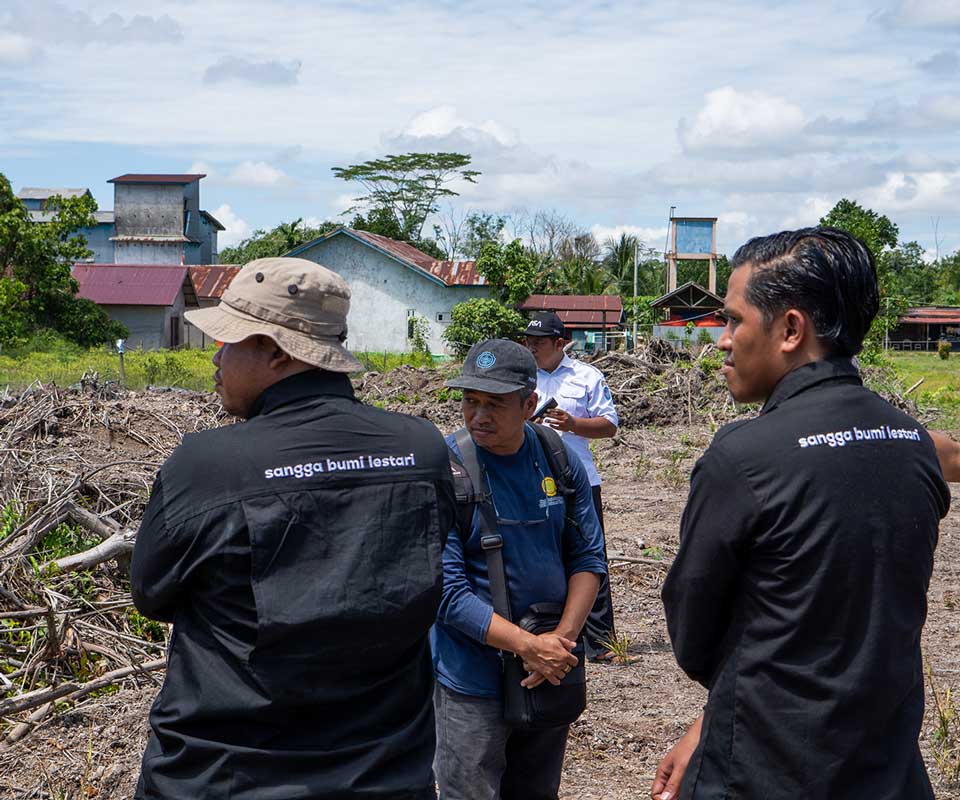
Transforming agriculture involves introducing climate-smart practices that increase farmers’ resilience and ability to remain productive in areas increasingly impacted by land-use change beyond their control. Through our Sangga Farming programme, we advance innovative approaches like regenerative agriculture, hydroponics, digital mapping and integrated landscape management, building farmers’ security and independence.
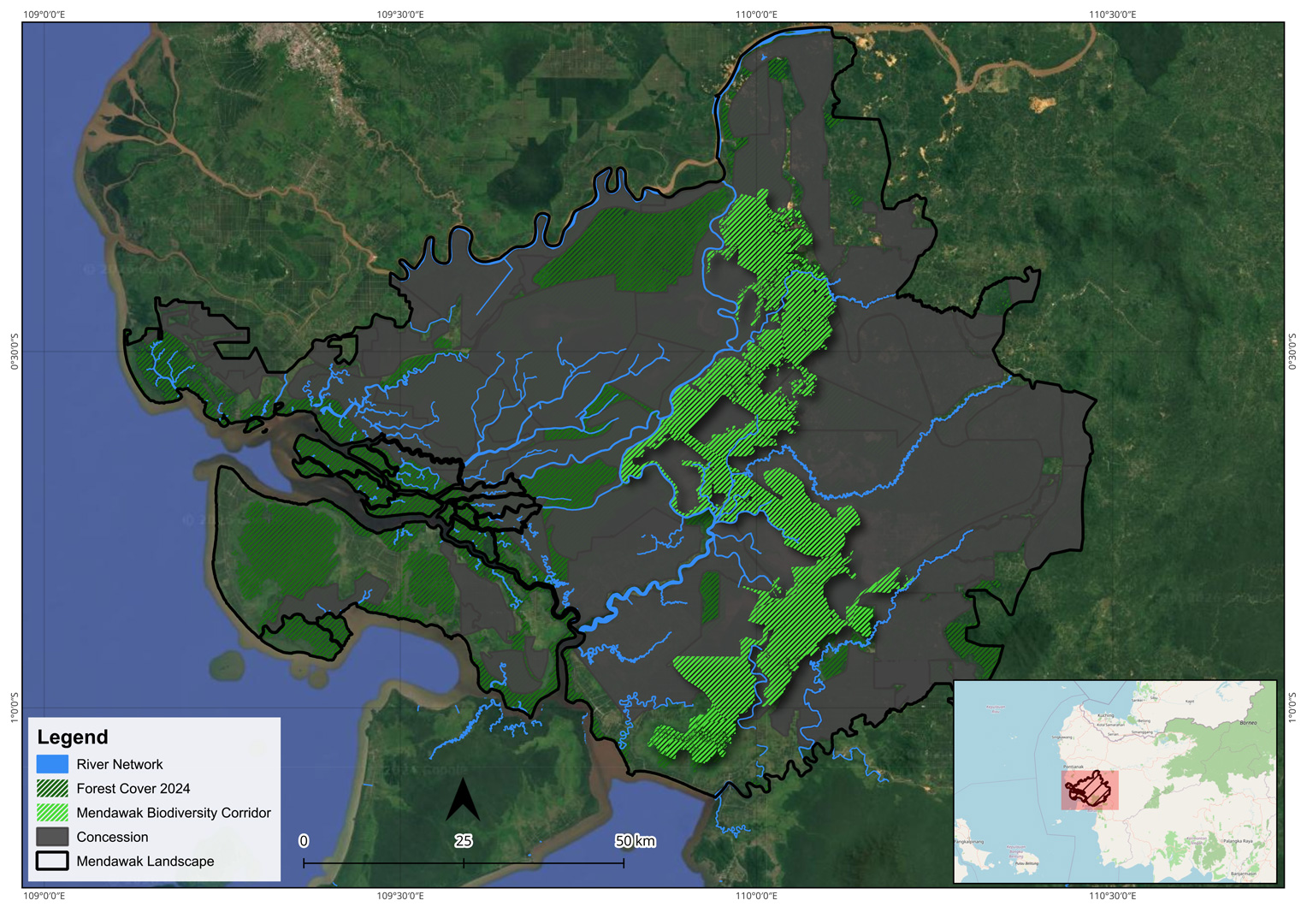
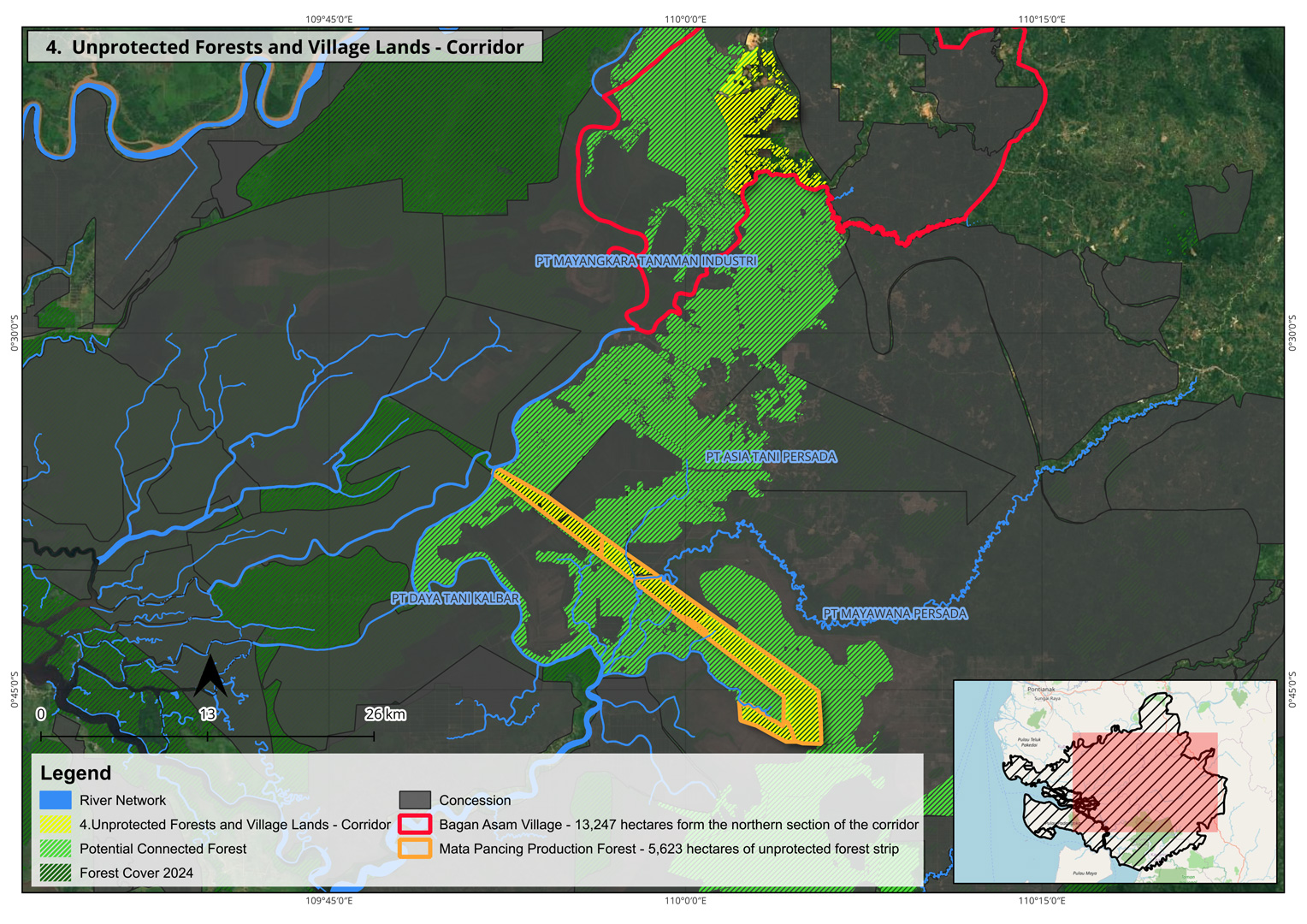
Sangga Farming is being implemented in three villages: the mangrove-rich Kubu in coastal Kubu Raya in the west of Mendawak; the peat-rich, logistically remote Sumber Agung in Kubu Raya in Mendawak’s centre; and the deep peat, indigenous Bagan Asam in Sanggau in Mendawak’s northeast. These villages were selected because of their unique ecological conditions and threatened habitats. They also provide opportunities for the trialling of innovative sustainable development models, which if successful will be expanded to other villages in Mendawak.
Build Integrated Village-Based Management Models
In many Mendawak villages, land and natural resources are managed in isolated sectors, reducing efficiency and burdening farmers. Sangga Bumi is building integrated village‑based management models that bring agriculture, fisheries, livestock, and green spaces together in a single, mutually supportive system.
These models demonstrate how villages can strengthen livelihoods, improve land‑use efficiency, and create spaces that are productive, collaborative, and liveable.
Increasing Coconut Farming Productivity
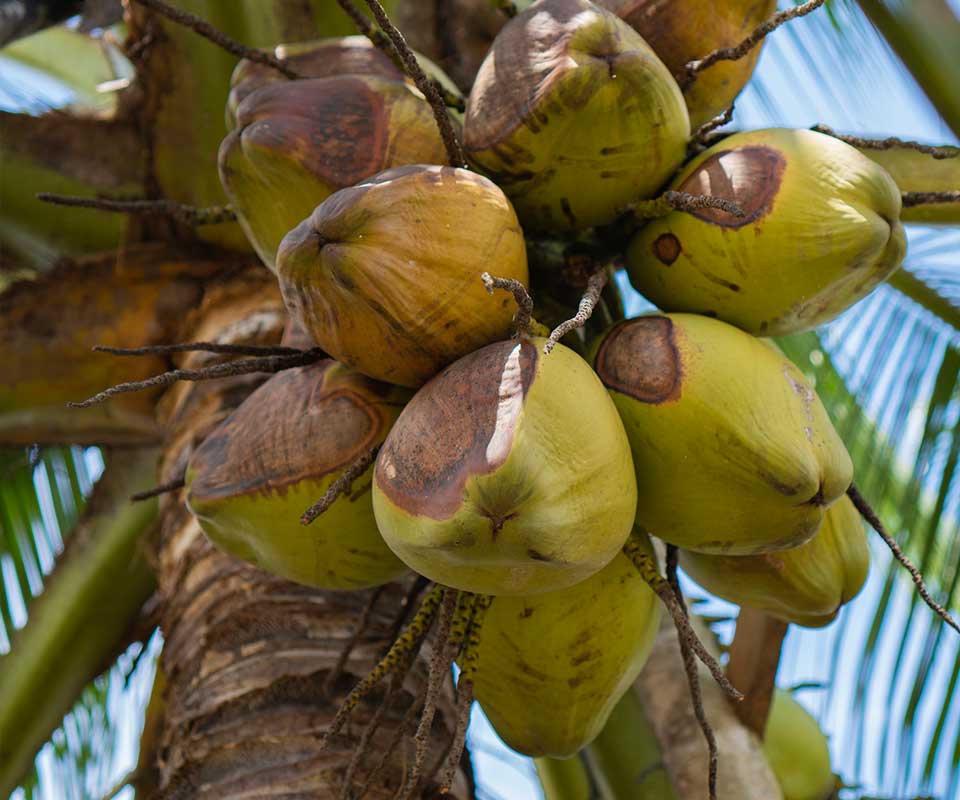
Coconut farming is a cornerstone of village economies in Mendawak, yet ageing trees, safety risks, and limited market access have reduced productivity and farmer interest. Sangga Bumi is supporting a transition towards safer, higher‑yield coconut systems that strengthen incomes and secure long‑term production.
By introducing improved coconut varieties, strengthening local seed supply, and improving farm planning, we are revitalising coconut farming as a viable and community‑led livelihood.
Digitalise Agricultural Activities
Farmers in Mendawak often face limited market access and reliance on middlemen due to the lack of digital agricultural systems. Sangga Bumi is digitalising agricultural activities to support better planning, fairer pricing, and stronger connections between farmers and buyers.
By developing a spatial‑based agricultural database, we help farmers align production with market demand and build a more transparent, adaptive, and market‑oriented farming system.
Enhance Capacity of Oil Palm Smallholders
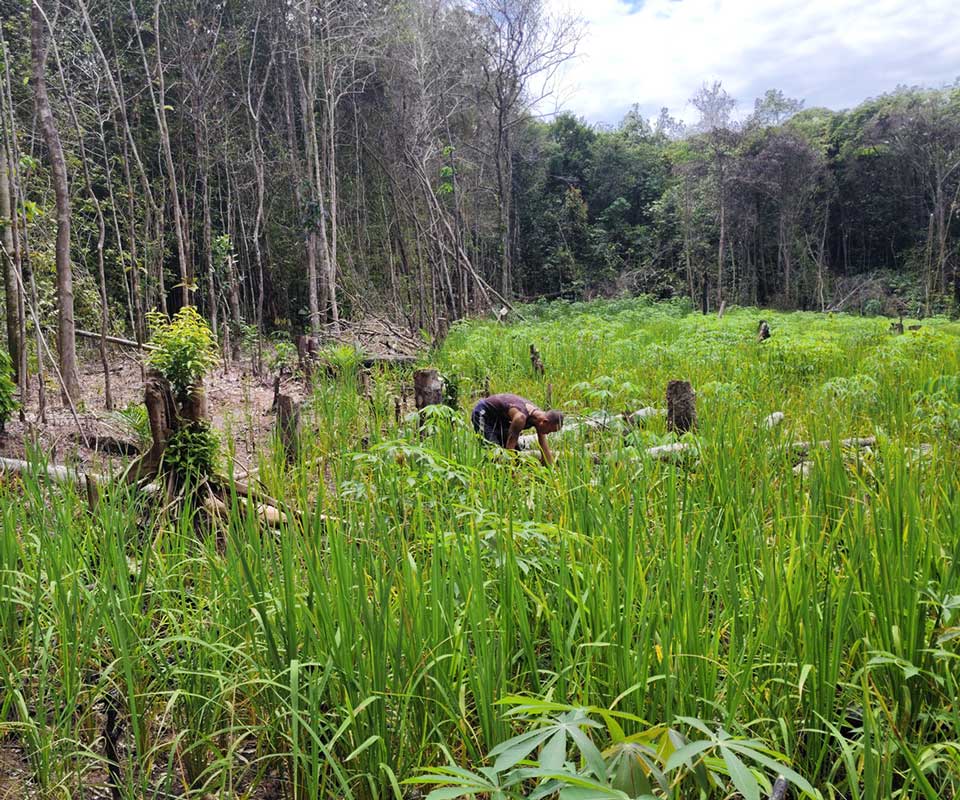
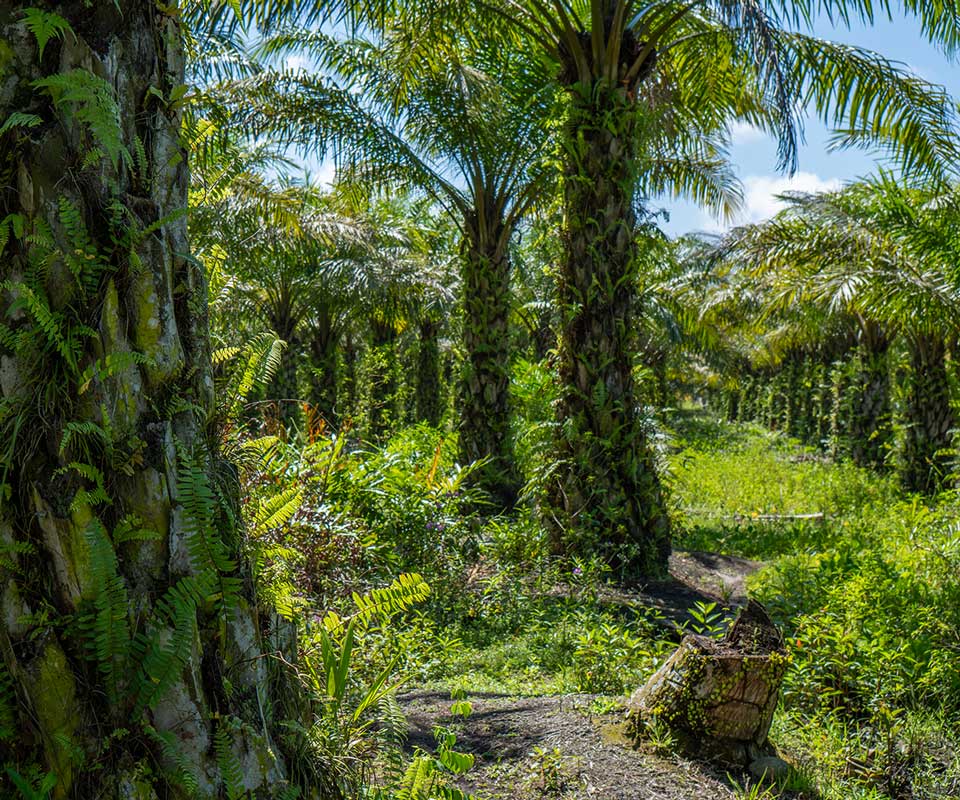
Independent oil palm smallholders in Mendawak often operate without legal recognition, technical support, or access to government services. Sangga Bumi supports smallholders to formalise their operations, strengthen capacity, and prepare for mandatory sustainability certification.
By helping farmers obtain legal registration and build links with government and companies, we are improving livelihoods while supporting more sustainable palm oil production.
Support Innovative Aquaculture Trials
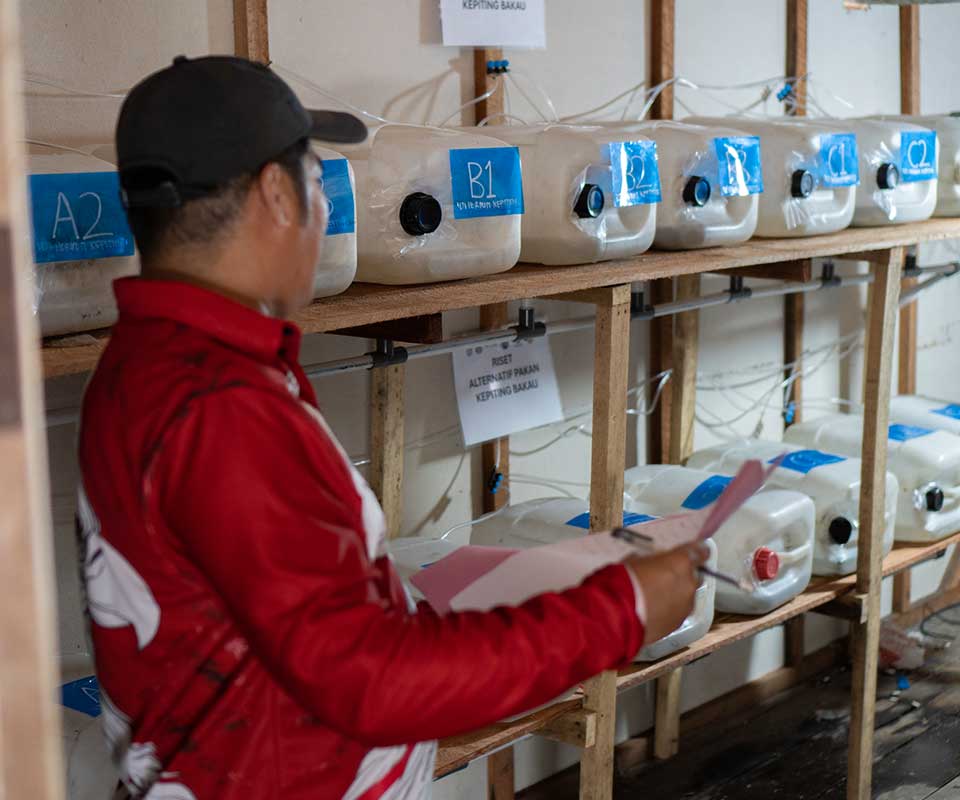
Aquaculture is expanding rapidly along Mendawak’s coastal mangroves, yet high feed costs and pressure on natural fish stocks threaten its sustainability. Sangga Bumi supports innovative aquaculture trials that explore alternative feeds and controlled reproduction to improve efficiency and reduce dependence on wild-caught resources.
These trials lay the groundwork for more affordable, productive, and environmentally sustainable village‑level aquaculture systems.
Establish Hydroponic Farming in Ecologically Sensitive Areas
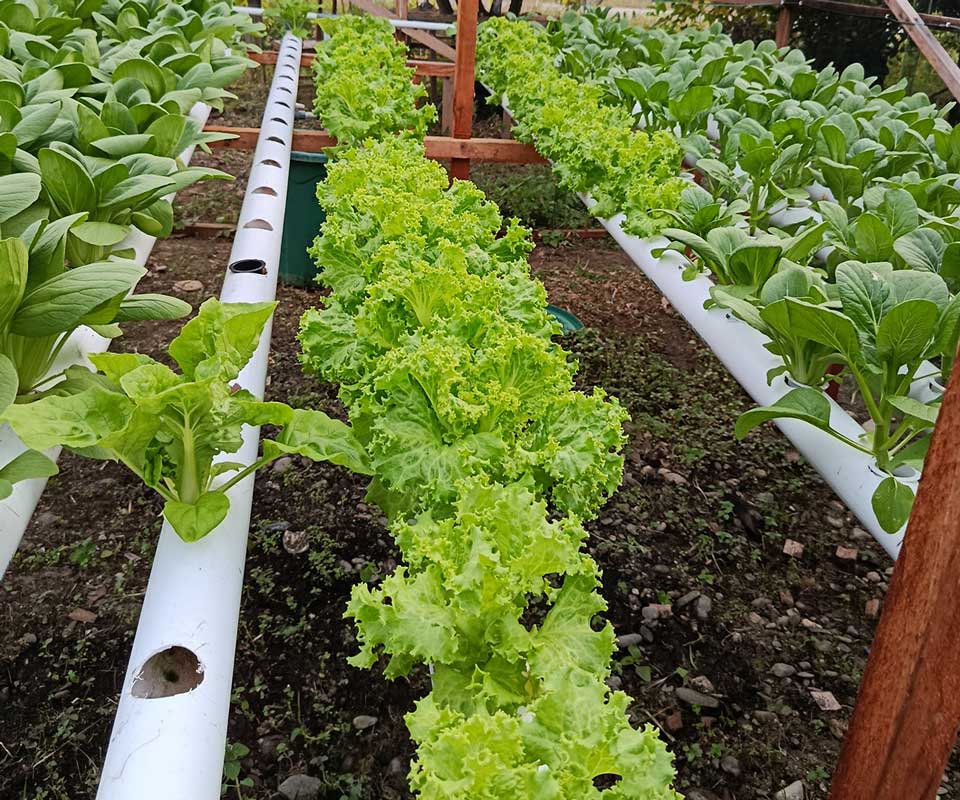
Land degradation, flooding, and declining soil quality have made conventional agricultural practices increasingly risky in Mendawak. Sangga Bumi Lestari has introduced a hydroponic farming system that enables stable horticultural production without relying on soil or expanding activities into vulnerable forest areas and peatlands.
By producing vegetables in nutrient‑rich water systems, hydroponics strengthens food security, diversifies incomes, and reduces pressure on ecologically sensitive landscapes.