Understanding Mendawak’s Landscape
Explore the villages, habitats, and land-use patterns that shape this vital landscape
Mendawak Landscape Dynamics
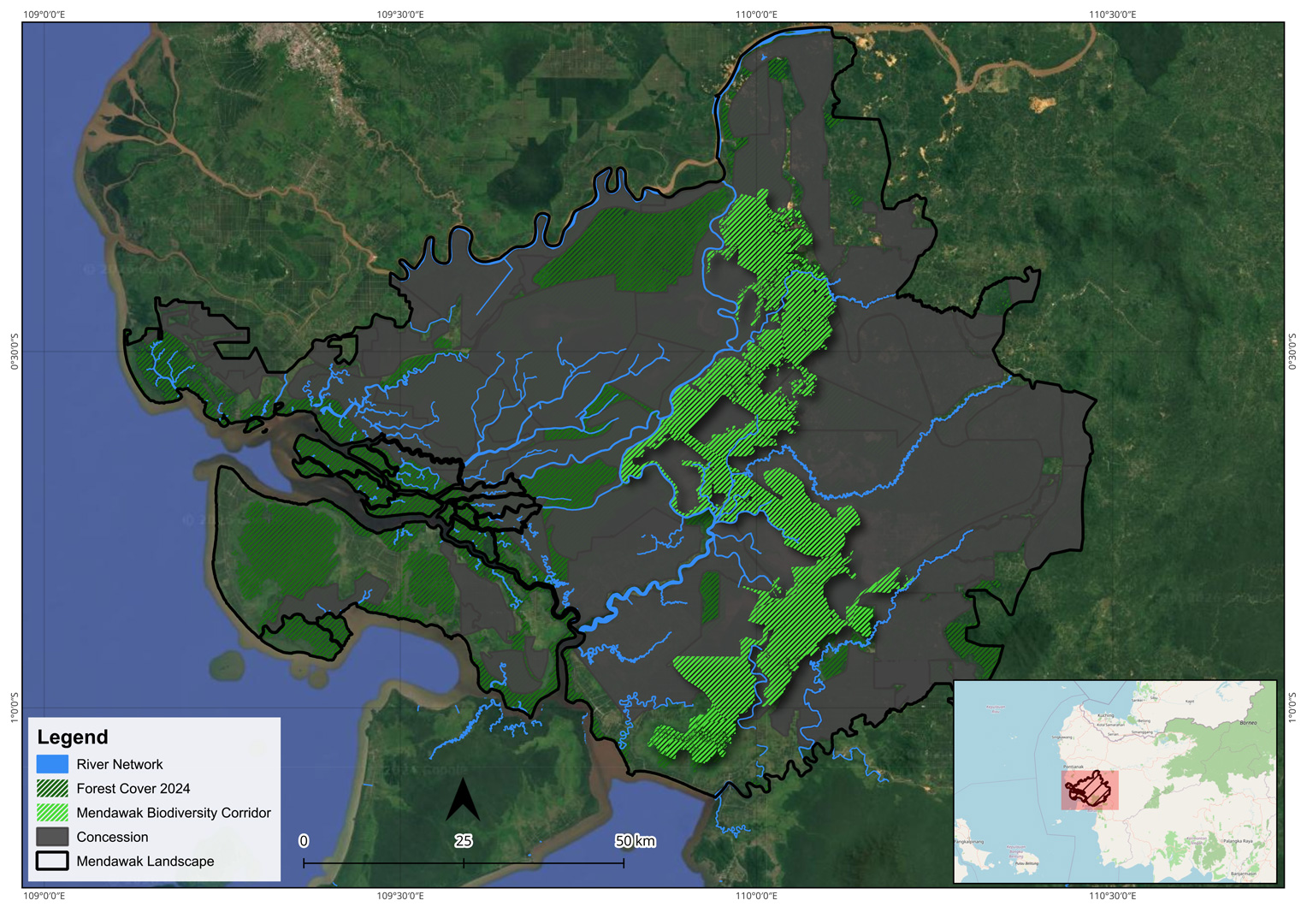
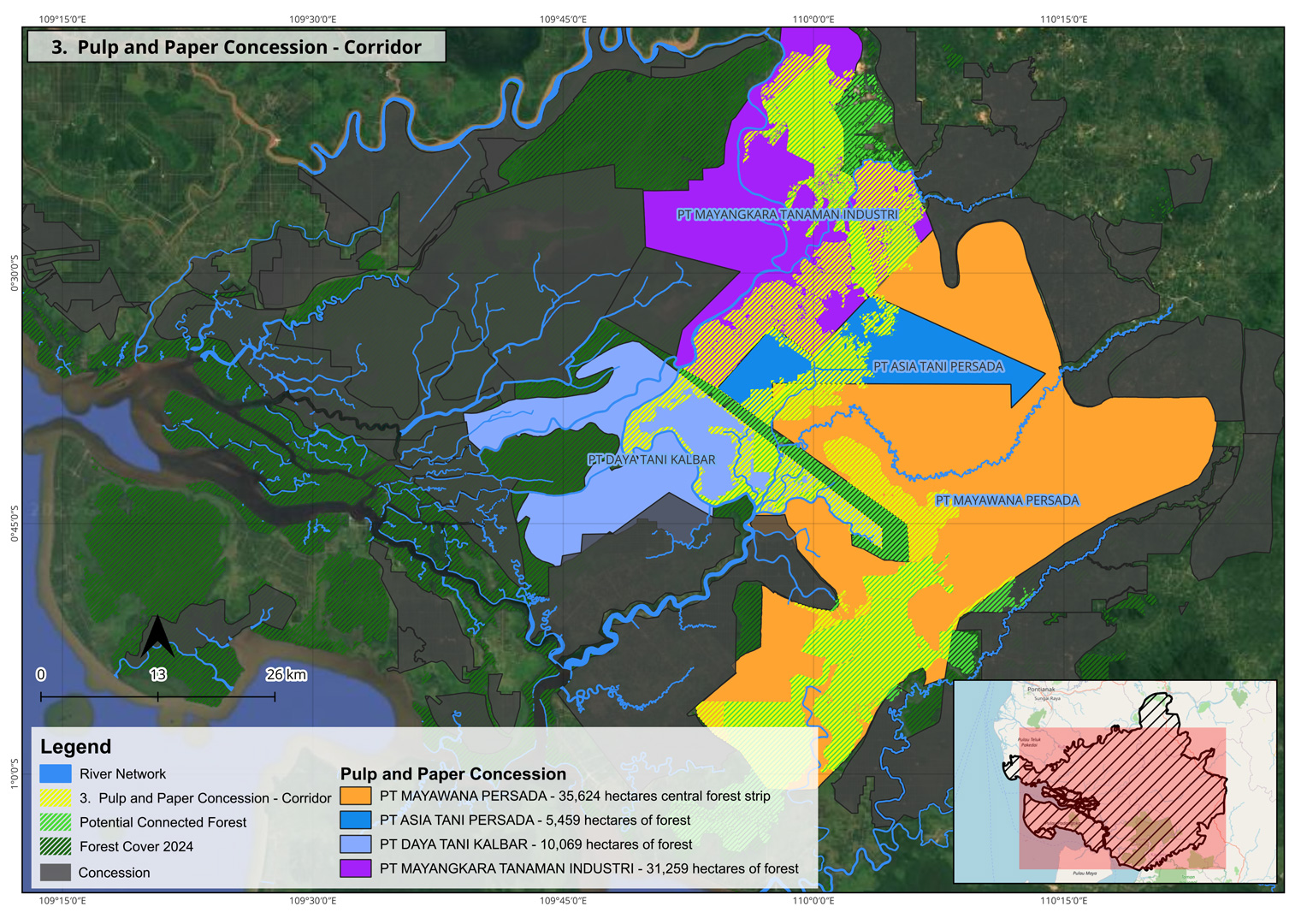
The Mendawak Biodiversity Corridor forms part of the Mendawak landscape. Mendawak does not have clearly defined boundaries and is sometimes grouped with the southerly Palung landscape or Karimata island off the coast of Kubu Raya. To aid the implementation of Mendawak-focused landscape-wide management strategies, Sangga Bumi Lestari generally considers Palung and Karimata as separate landscapes. We consider Mendawak to be a 934,558 hectare area that stretches from Mendawak Protection Forest (Hutan Lindung Mendawak) in the north to just north of Gunung Palung National Park in the south. The eastern boundary is the eastern border of the pulp and paper concession PT Mayawana Persada and the western boundary is the coast of Kubu Raya district.

Villages
Mendawak includes 69 villages inhabited by approximately 164,950 people. The population is predominantly Dayak and Malay, with smaller populations of Bugis, Javanese, Madurese, and Chinese. Most of Mendawak’s population adheres to Christianity and Islam.
Habitat Types
In general, Mendawak is divided into nine main habitat types, including:
- Peat swamps, covering an area of 400,708 hectares.
- Mixed Dipterocarp forest or hills on igneous (granite) rock, covering an area of 4,515 hectares.
- Mixed Dipterocarp forest or hills on metamorphic rock, covering an area of 269,275 hectares.
- Mixed Dipterocarp forest or hills on volcanic rock, covering an area of 1,651 hectares.
- Riparian ecosystems, covering an area of 88,844 hectares.
- Mangrove forests, covering an area of 147,851 hectares.
- Sub-montane forests on other substrates, covering an area of 644 hectares.
- Lowland forest on sandstone, covering an area of 1,341 hectares.
- Water bodies, covering an area of 19,727 hectares.
Land Categories
In Indonesia, land is divided into the Forest Estate (Kawasan Hutan), which are areas that must be maintained for forestry-related activities, and Other Use Areas (Area Penggunaan Lain or more commonly just abbreviated to APL), which are areas that are intended for activities outside of forestry, including settlements and oil palm concessions.
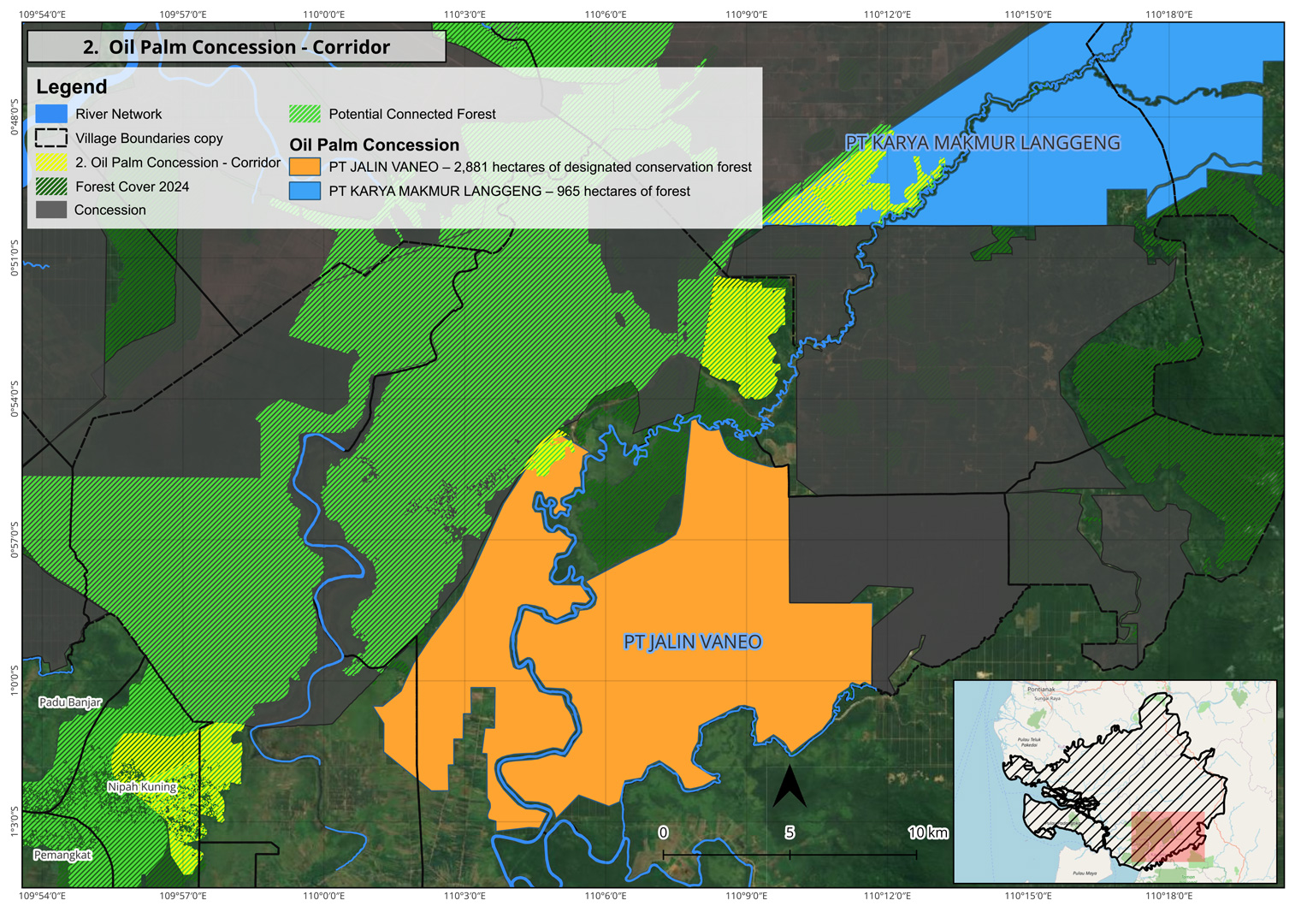
In Mendawak, 351,655 hectares is designated as APL. This area is scattered throughout the landscape. 235,910 hectares of it are covered by oil palm concessions, being the centre of villager-led economic and development activities.
582,322 hectares are designated as being part of the Forest Estate. The Forest Estate is further divided into various land categories, which determines how they are used:
Land Uses
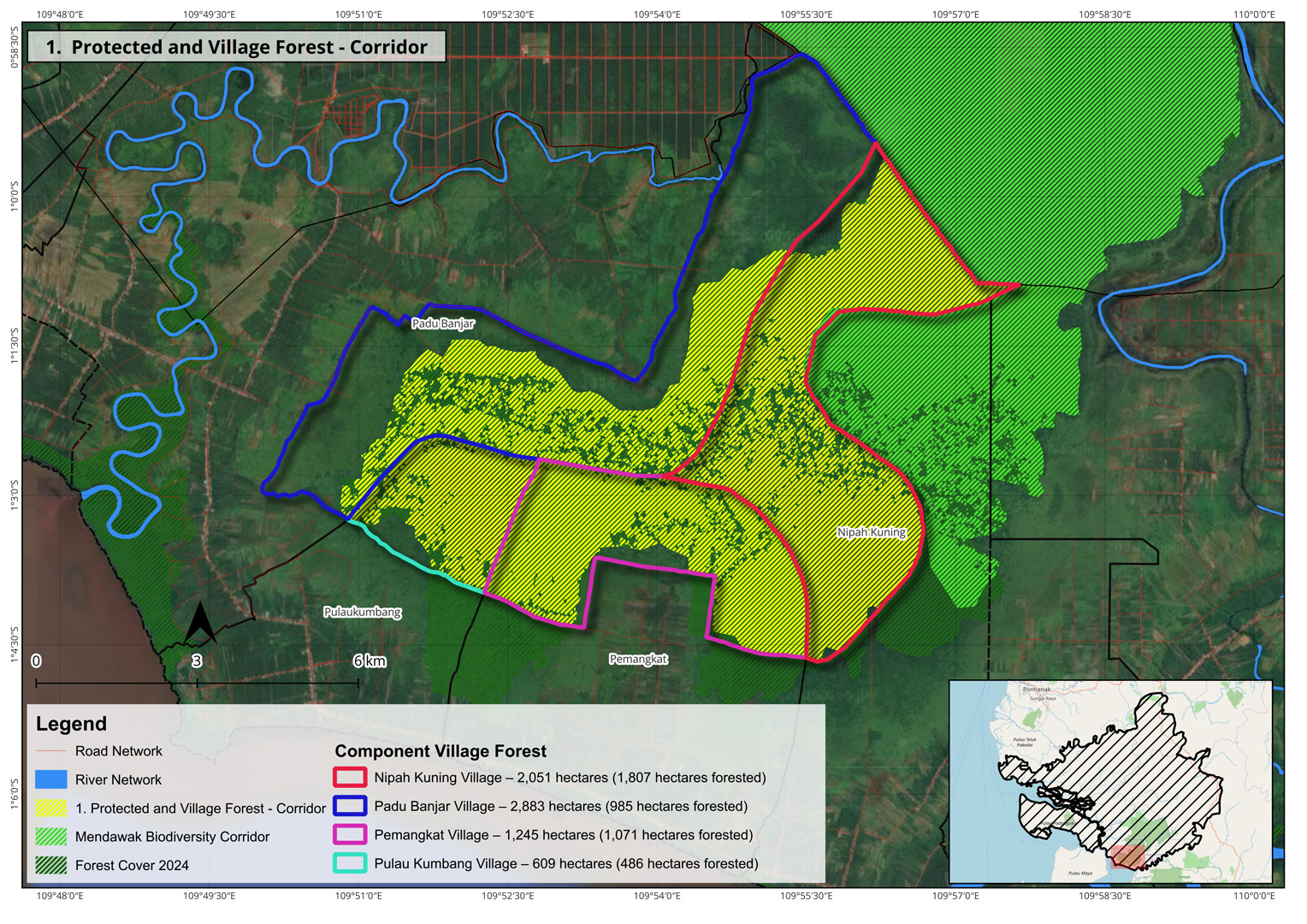
The landscape includes 29 Village Forests (Hutan Desa) covering a total area of 118,365 hectares, together with one Community Plantation Forest (Hutan Tanaman Rakyat) covering 700 hectares. Within the Forest Estate, 13 companies manage Forest Utilisation Business Licences (Perizinan Berusaha Pemanfaatan Hutan), mainly for the development of pulp and paper plantations and more recently for carbon credit projects. In addition, 22 companies hold Plantation Business Permits (Izin Usaha Perkebunan) that are predominantly used for oil palm development. Mining activities also form a significant component of land use within the landscape, particularly bauxite mining, with 18 registered mining companies (PT) holding permits.
Wildlife
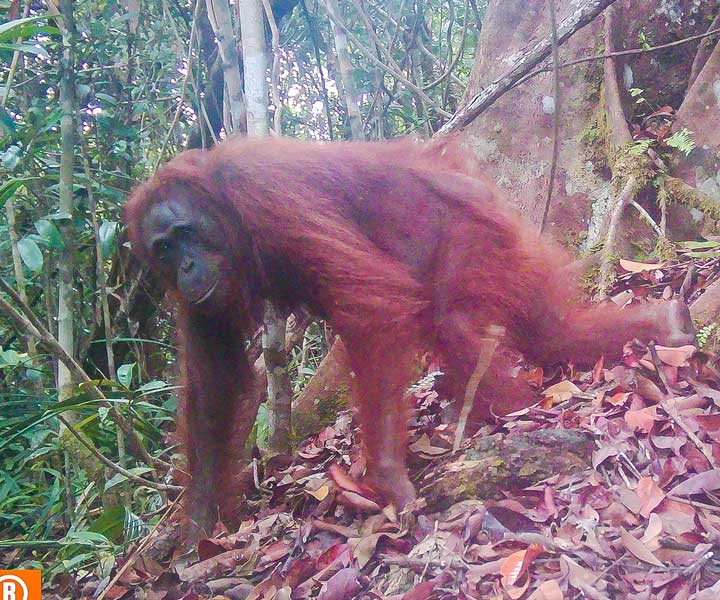
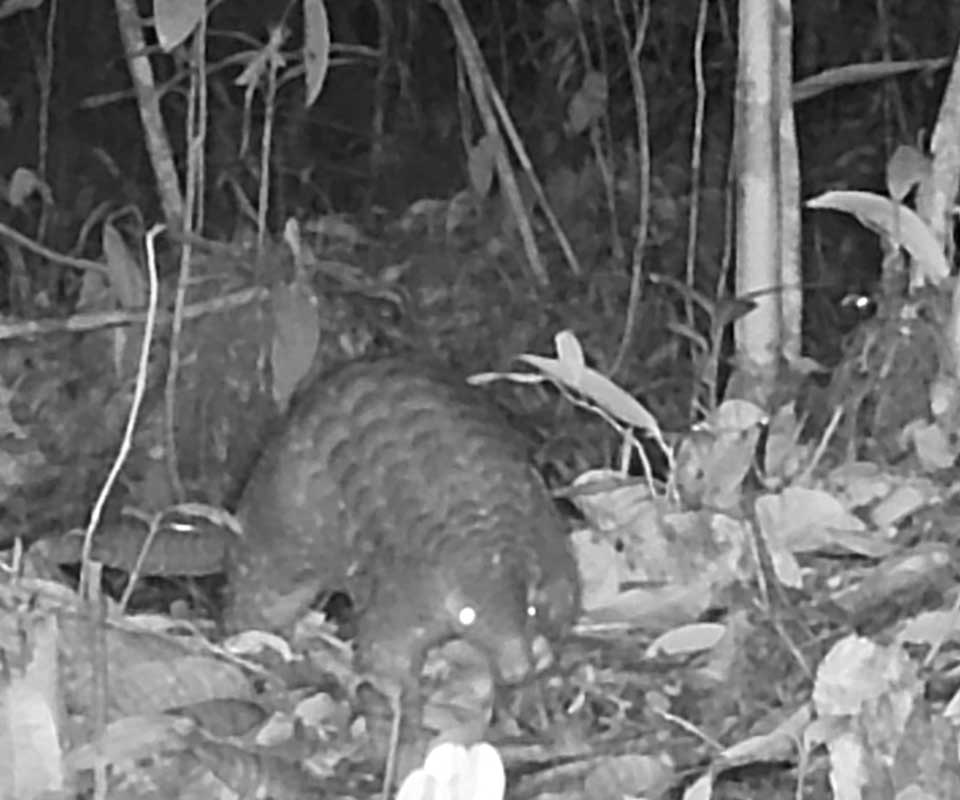
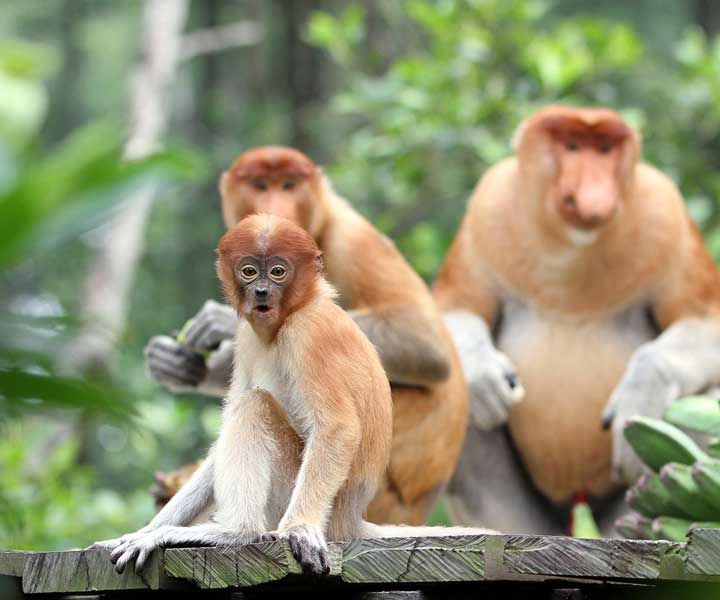
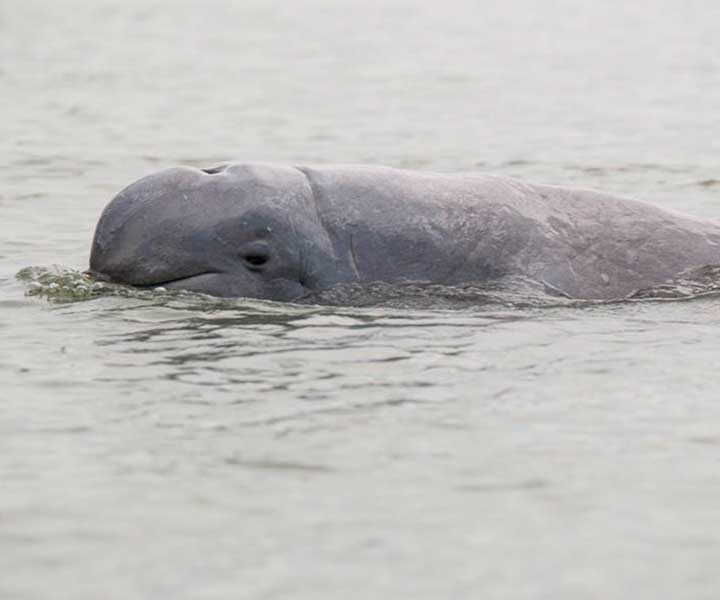
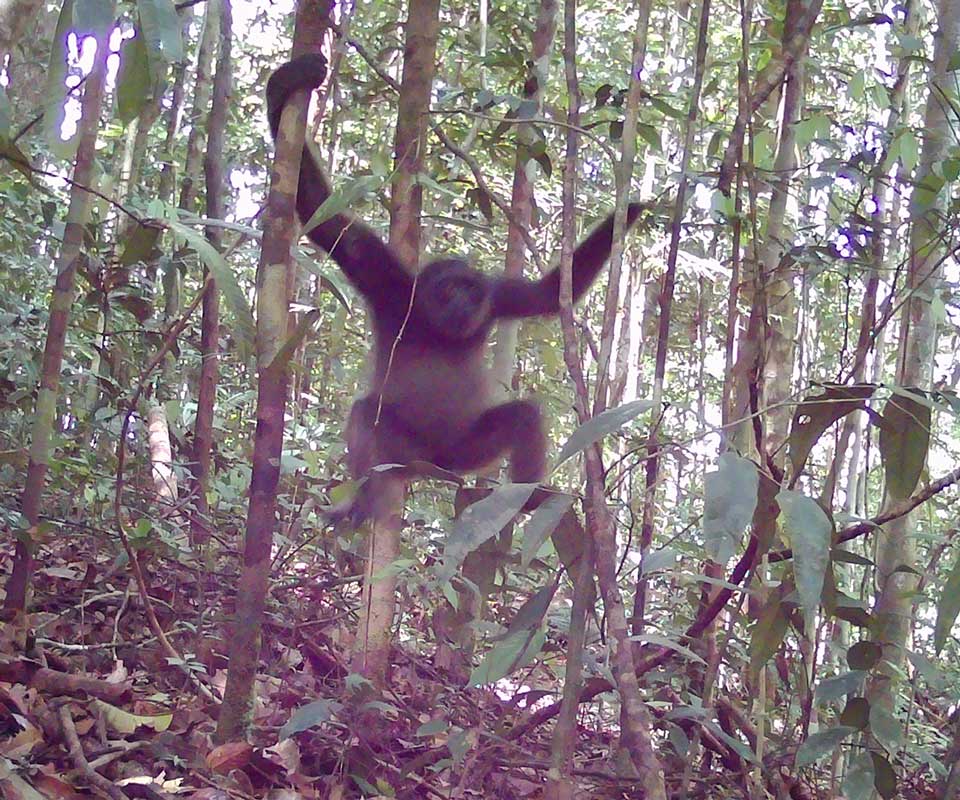
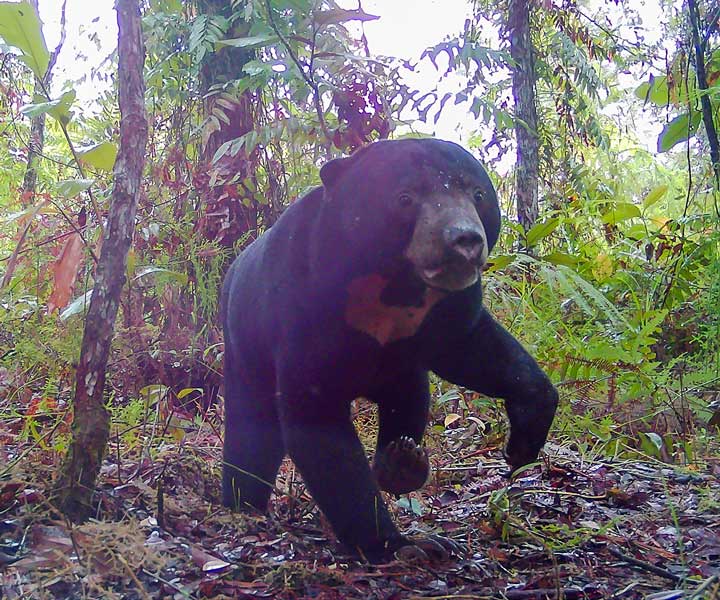
Mendawak is one of the most biodiverse areas of Kalimantan. The landscape’s mosaic of lowland dipterocarp forests, peat swamp forests, and mangrove associations is habitat for some of Indonesia’s most threatened species. However, there is little public data on species occupancy as most habitat is inside industrial concessions. As such, most of our knowledge comes from direct observations, feedback from residents, mention of species in official company communications (annual reports, websites, High Carbon Stock assessments), or from extrapolation of data collected in Gunung Palung National Park.
Key species found in Mendawak include: