April, 2026
Build Integrated Village-Based Management Models
Challenge
In most villages in Mendawak, land and natural resource use remains sector specific. Agriculture, fisheries, livestock, and other land-use activities are managed separately. This results in low land-use efficiency, with different plots of land allocated to individual commodities that could be developed on the same land in an integrated system. It also overburdens farmers, who will often travel over long distances in one day to tend to their various economic interests, when those different economic activities could be integrated in the same, or smaller, areas.
Solution
Build an integrated management system that acts as a model to show how various land-use sectors (agriculture, fisheries, livestock, and green space management) can be managed in a single, mutually supportive system.
This video highlights the development of an integrated area in Sumber Agung Village, Kubu Raya, focusing on agriculture, education, and community-based economic growth led by Sangga Bumi Lestari.
Development
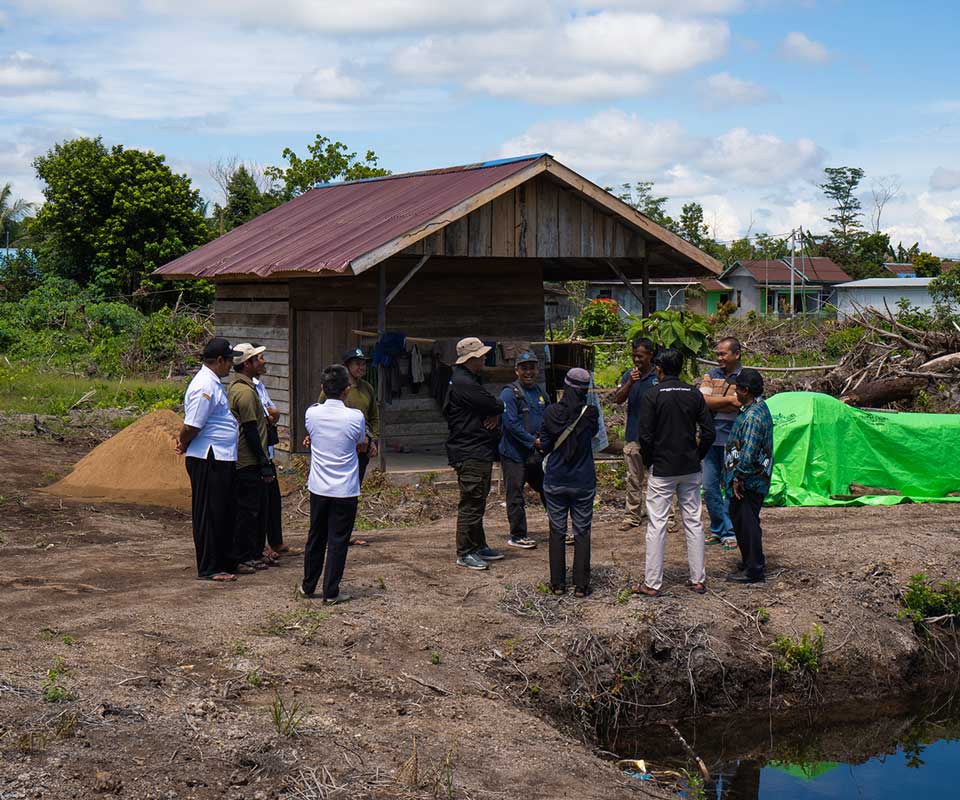
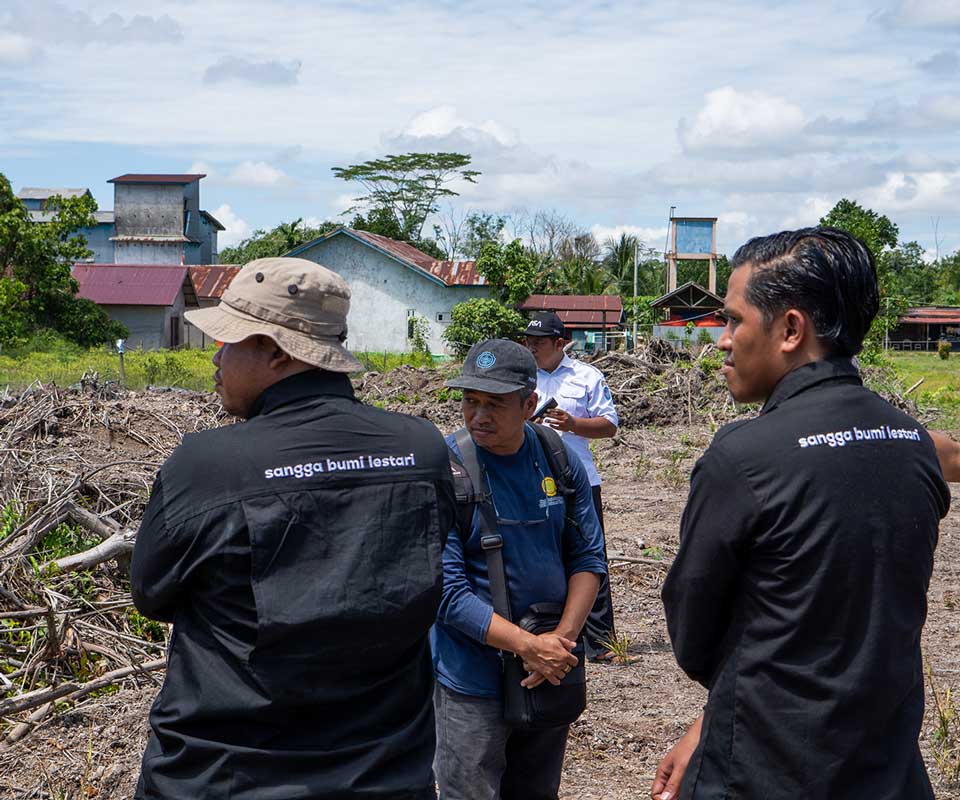
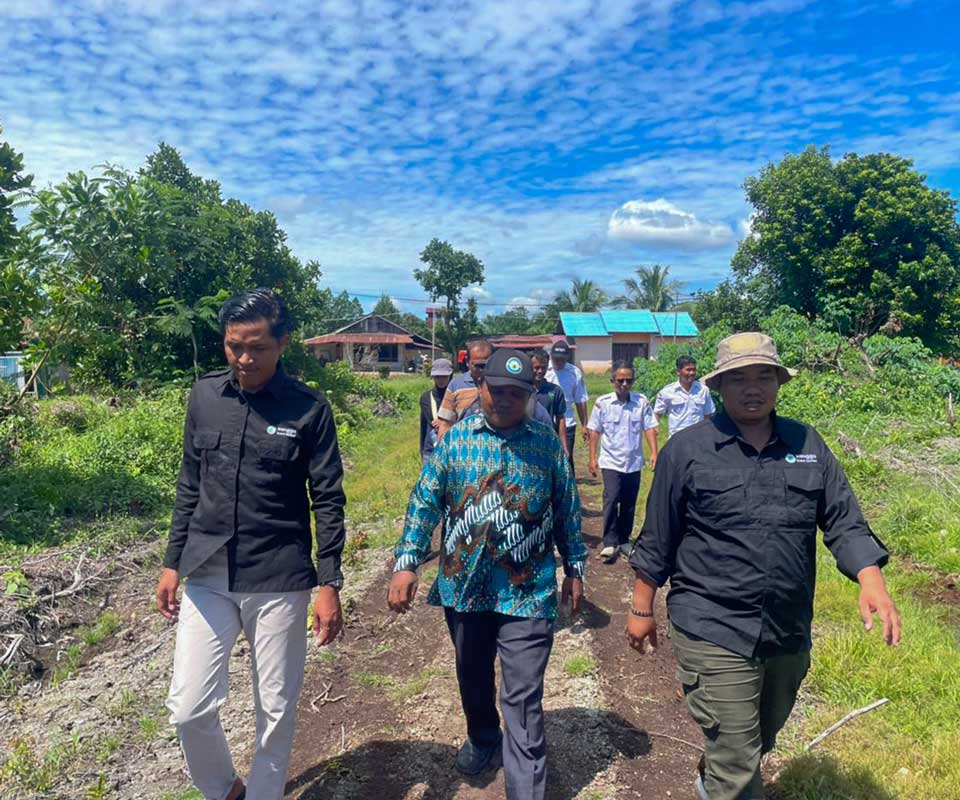
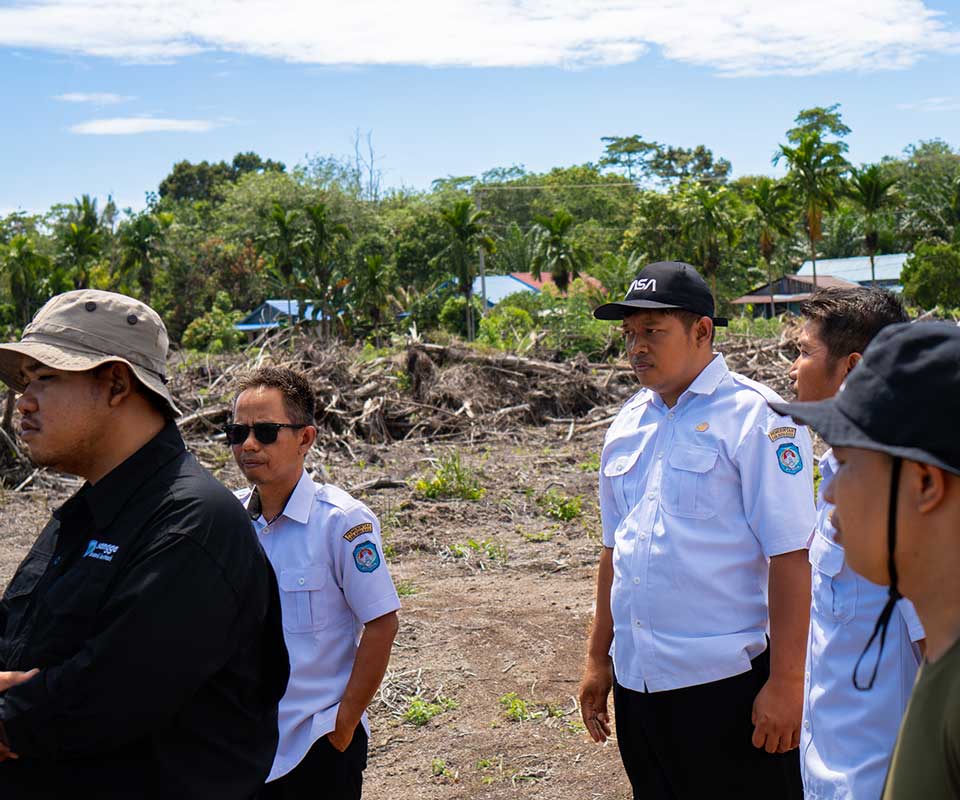
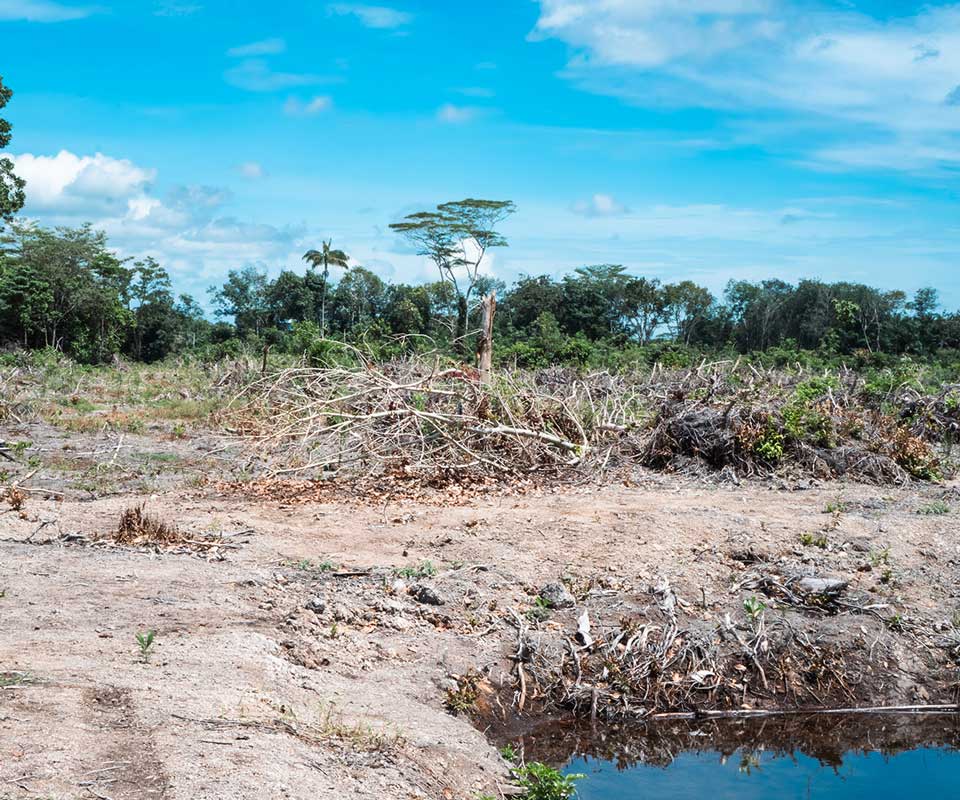
In the village of Sumber Agung, we have developed an integrated management model on 5.2 hectares of village land. This centre will demonstrate how economic activities in the village that are currently managed in different locations can be developed in one place. Development of the centre started in Q4 2025. The centre will include coconut trees, horticulture commodities, fisheries, and livestock. It will also include a seed centre for Bido coconuts, a greenhouse, and a nursery. Crucially, it will also include recreational areas. The need for recreational areas and the desire for spaces dedicated to economic activities to also be nice places to relax is often overlooked in conservation discourse.
The centre will also become a model for how different landscape stakeholders can collaborate to support village economic development. The question of how to fund community development initiatives always comes up. In areas dominated by private sector activities, those private sector actors are the obvious answer.
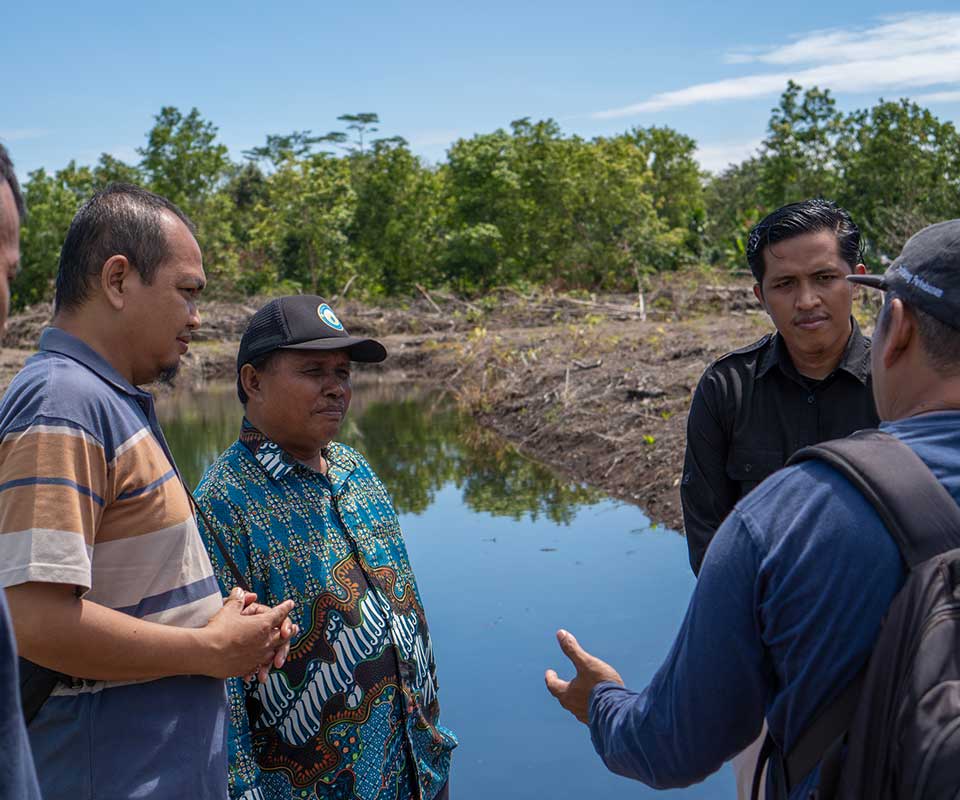
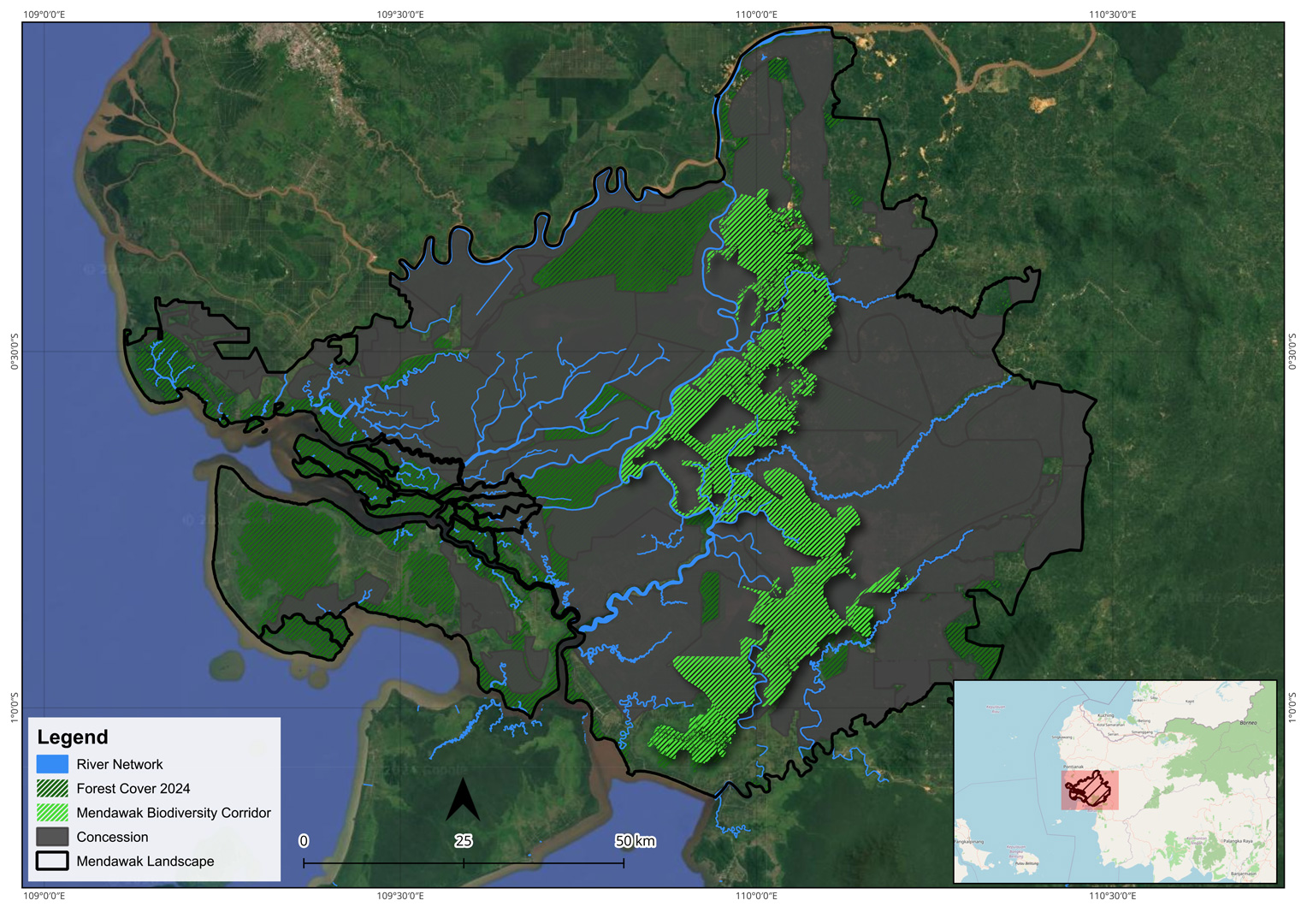
We have brought local land-use stakeholders together to negotiate support packages for the centre. Funding will be allocated by the village government, local government departments, two local concession companies (PT Gerbang Benua Raya and PT Daya Tani Kalbar, which have committed to providing funding to cover the centre’s operational costs); and a local university, with which we are working on developing monitoring frameworks.
The centre will provide a replicable model for other villages facing similar ecological and economic challenges.