April, 2026
Increasing Coconut Farming Productivity
Challenge
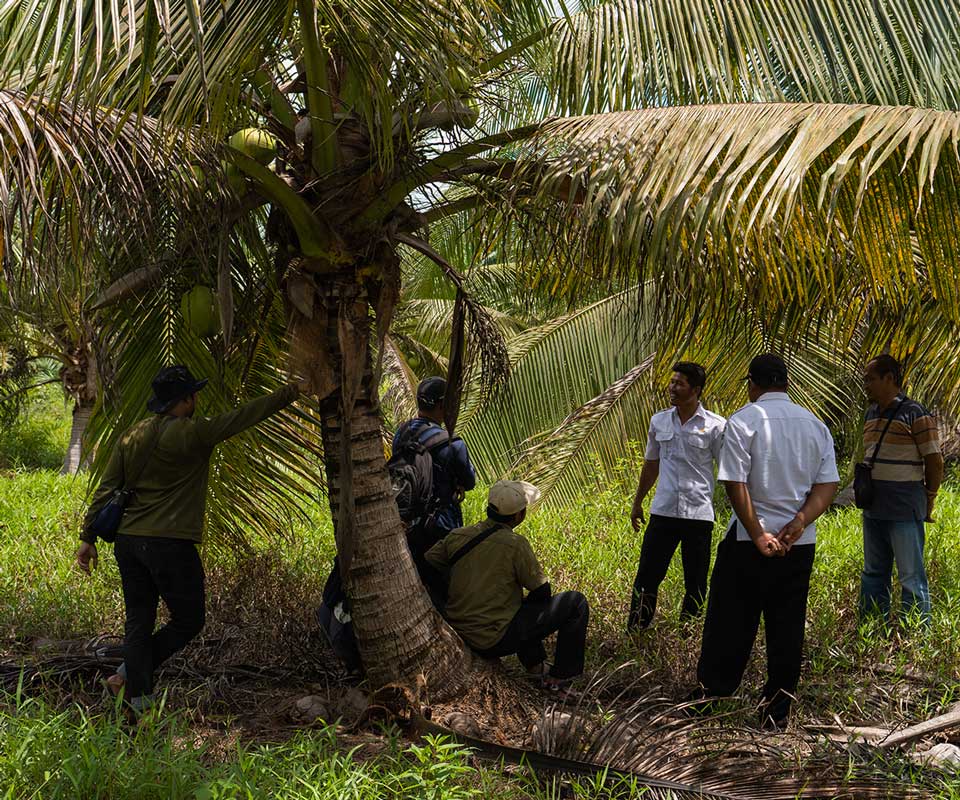
In the villages of Sumber Agung and Kubu, coconut farming is one of the main economic activities. Coconut trees are used for both fruits and to produce coconut sugar. However, farmers face several challenges. Many trees are now senile and production is low, there are safety issues around needing to climb tall trees and many young farmers do not want to do it, there is limited plantation regeneration, and market access is challenging, with a reliance on collectors that offer low prices.
Efforts to increase land-use planning among coconut farmers so there was a more structured schedule for replanting, new plantings, and coconut business development haven’t taken off. The option of dwarf coconuts, which reach 1 – 2 metres in height and offer more inclusive and safer farming conditions, haven’t been adopted because of concerns about the yield and quality of dwarf coconut fruits. There are no other local sources of coconut seedlings, so there are few options for coconut farmers.
Solution
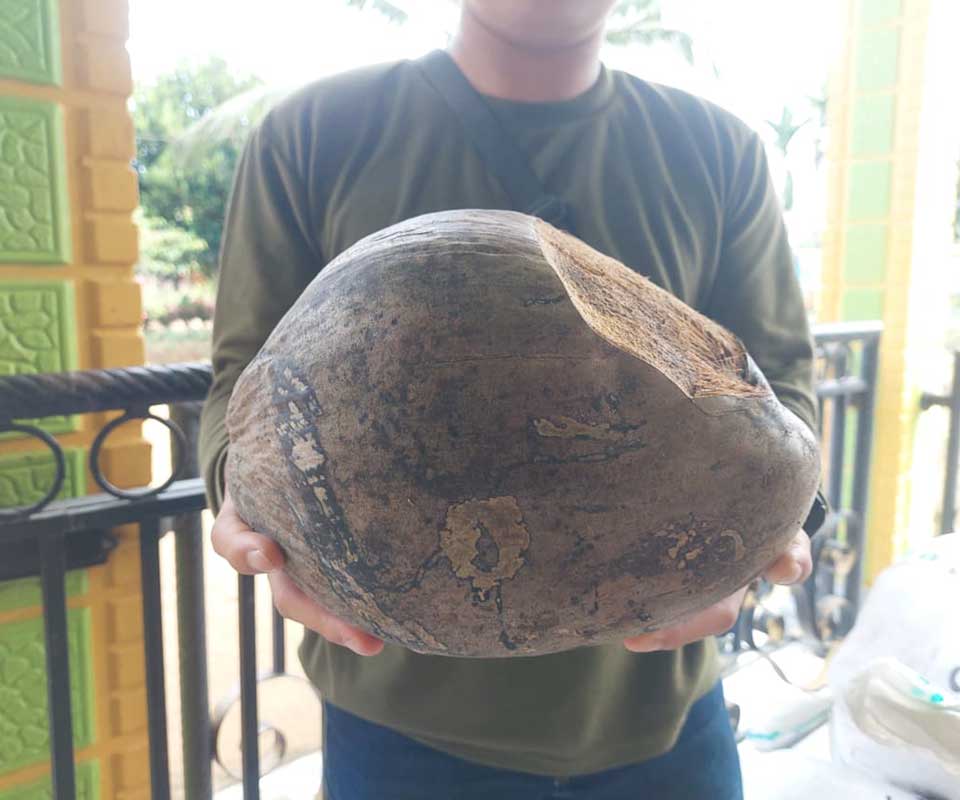
Bido coconuts, a variety of coconuts from Maluku that are faster growing than traditional coconuts (flowering at 2 years, harvesting at 3 years) and produce large fruits of superior quality, offer a viable long-term alternative. To deal with the lack of local supply, a self-sustaining coconut nursery should be established, with the long-term goal of being the main provider of coconut seedlings in Mendawak and then wider West Kalimantan. More robust spatial mapping can help improve planning of planting schedules and help facilitate more consistent coconut businesses.
Through the Sangga Farming approach, we work hand in hand with farmers and fishers in Kubu, Sumber Agung, and Bagan Asam villages, supporting the agriculture, plantation, and fisheries sectors to create a more resilient and sustainable food system:
Progress
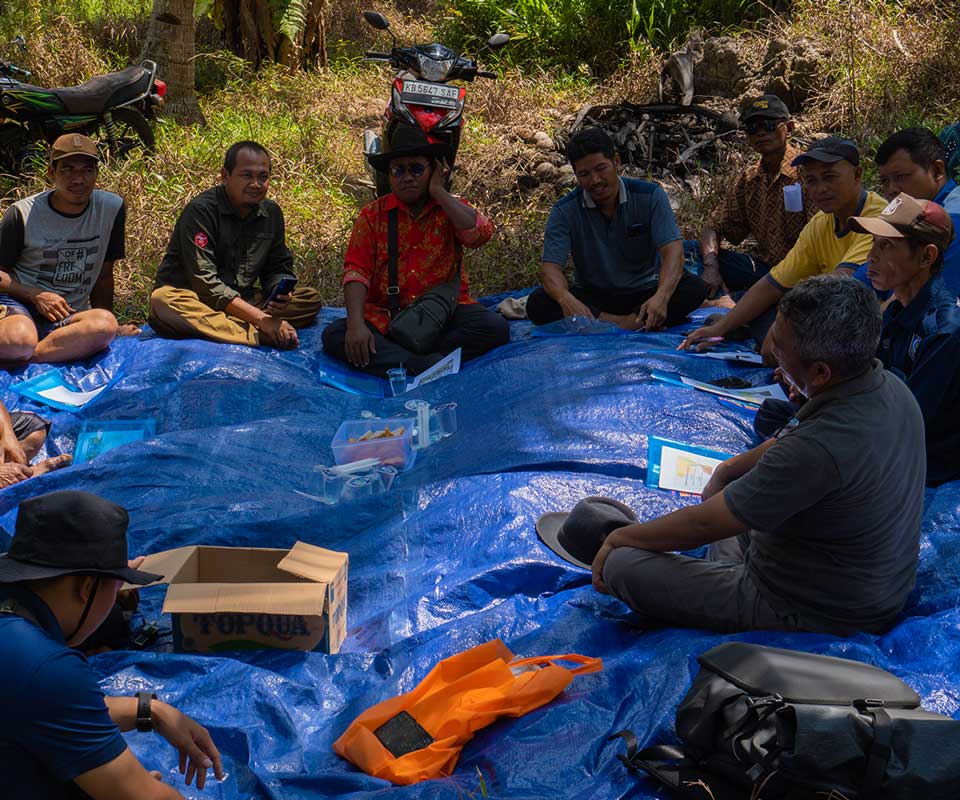
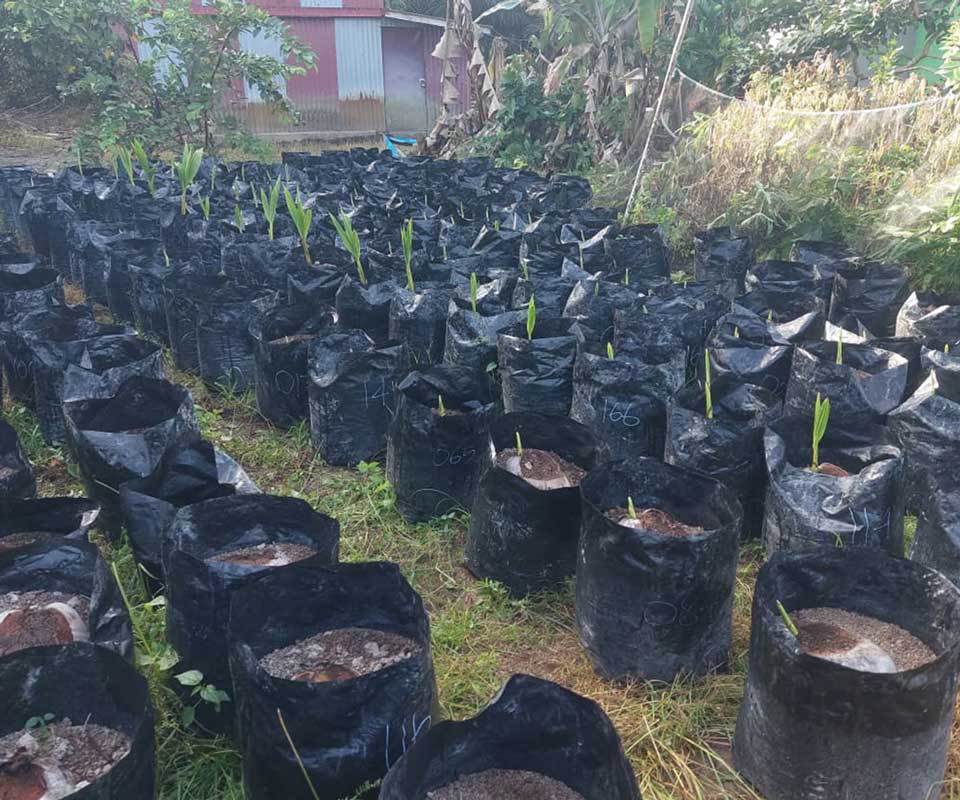
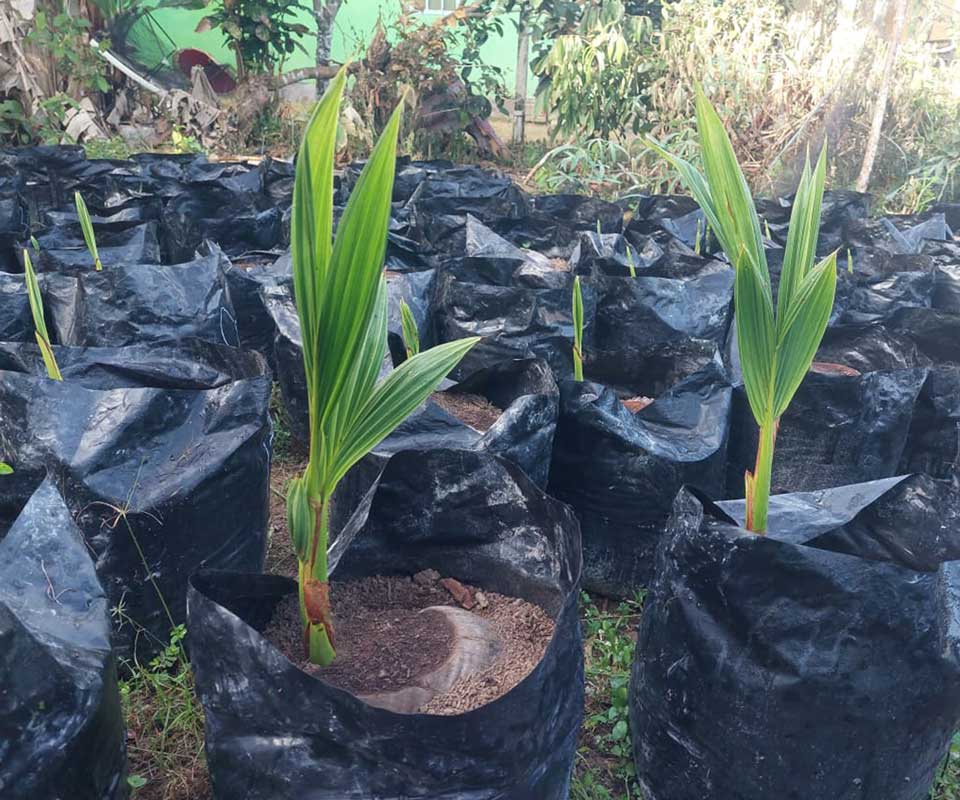
We have worked with the Indonesian government’s Palm Crop Breeding and Testing Centre (Balai Perakitan dan Pengujian Tanaman Palma) to procure Bido coconut seedlings from Maluku in East Indonesia. In Sumber Agung, villagers started germinating 190 seeds, resulting in 188 seedlings. These seedlings will be planted and maintained for the next 3 – 5 years, ultimately producing seeds that can be sold to coconut farmers throughout West Kalimantan. Additional seedlings will be planted at an education centre that is currently being developed to demonstrate integrated management models, helping Sumber Agung become the premier Bido coconut supply centre in West Kalimantan. The business will be managed through a Village-Owned Enterprise (Badan Usaha Milik Desa) and all revenue from the centre will be considered Village Own-Source Revenue (Pendapatan Asli Desa), managed collectively.
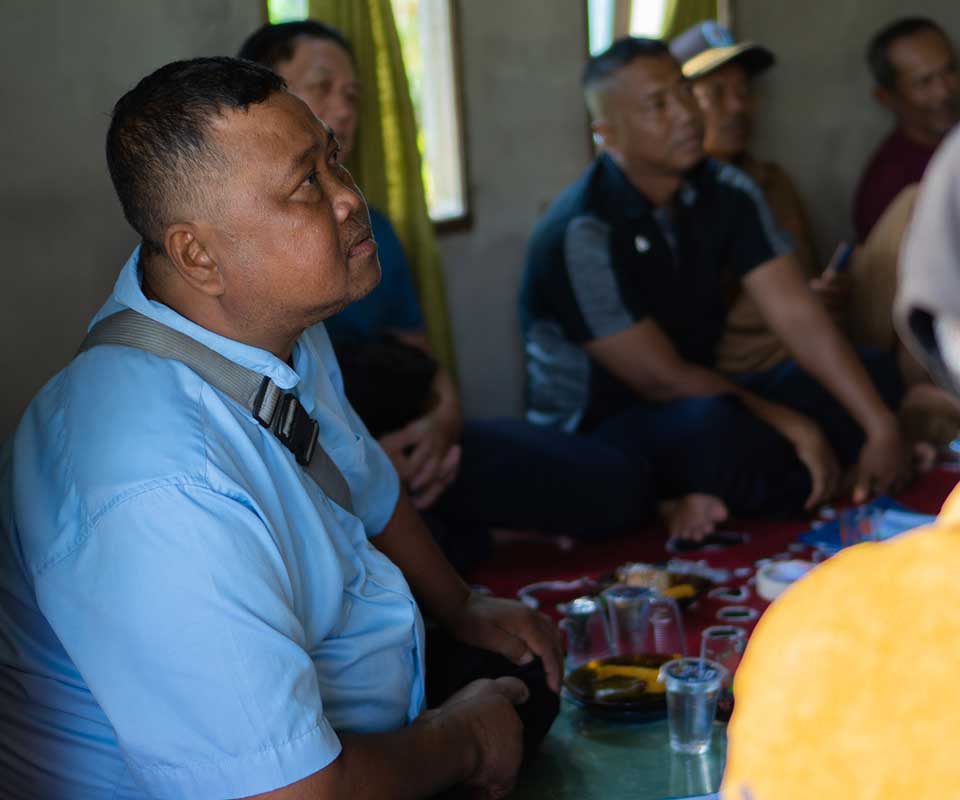
In the coastal village of Kubu, a plan has been finalised to procure 17,360 coconut seedlings, a mixture of dwarf coconuts, Bido coconuts, and traditional tall coconuts, for rejuvenation and new planting activities on 124 hectares of degraded village land. 111 coconut farmers will be involved in the centre, each being responsible for a designated number of trees in a collective farming system.
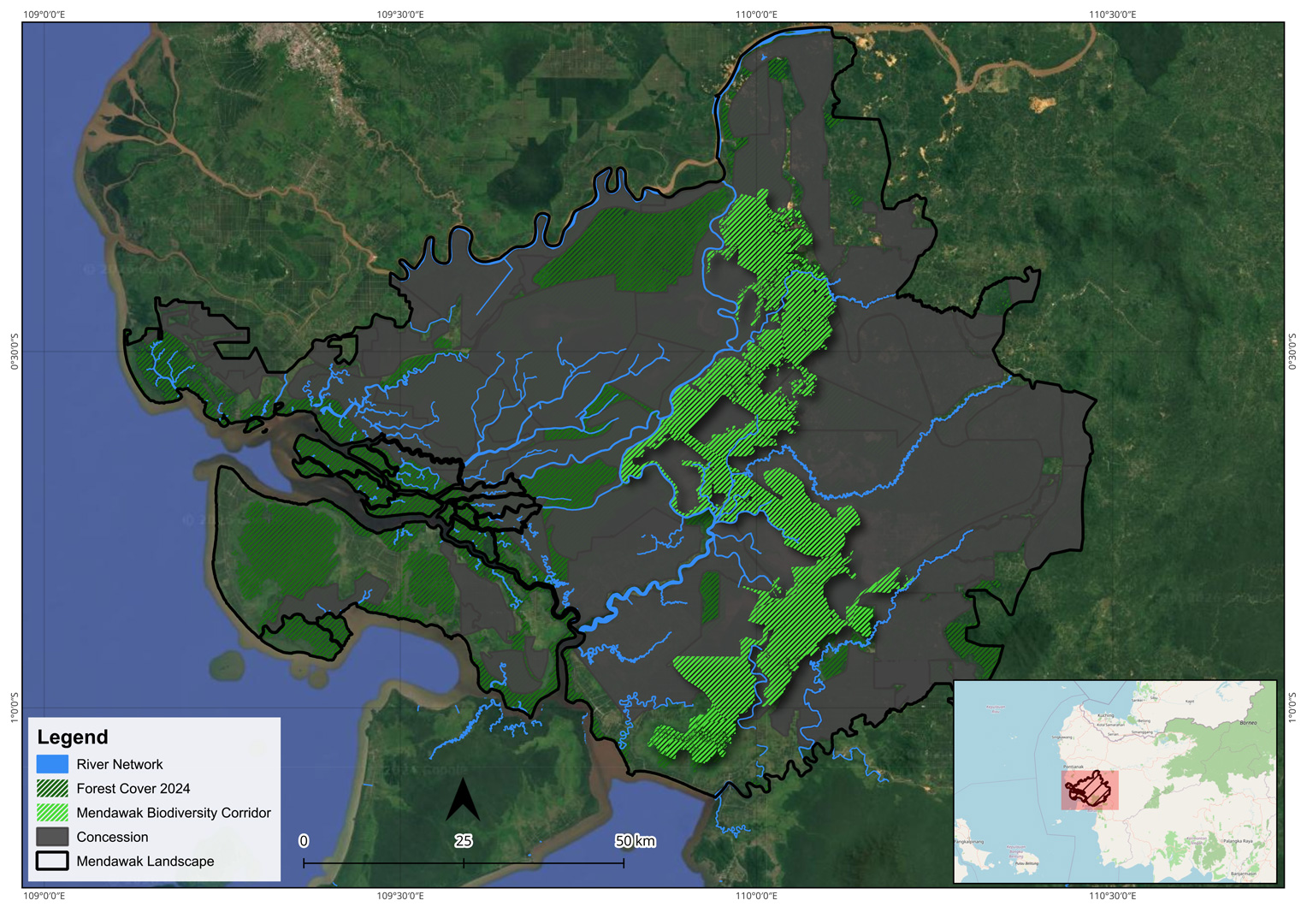
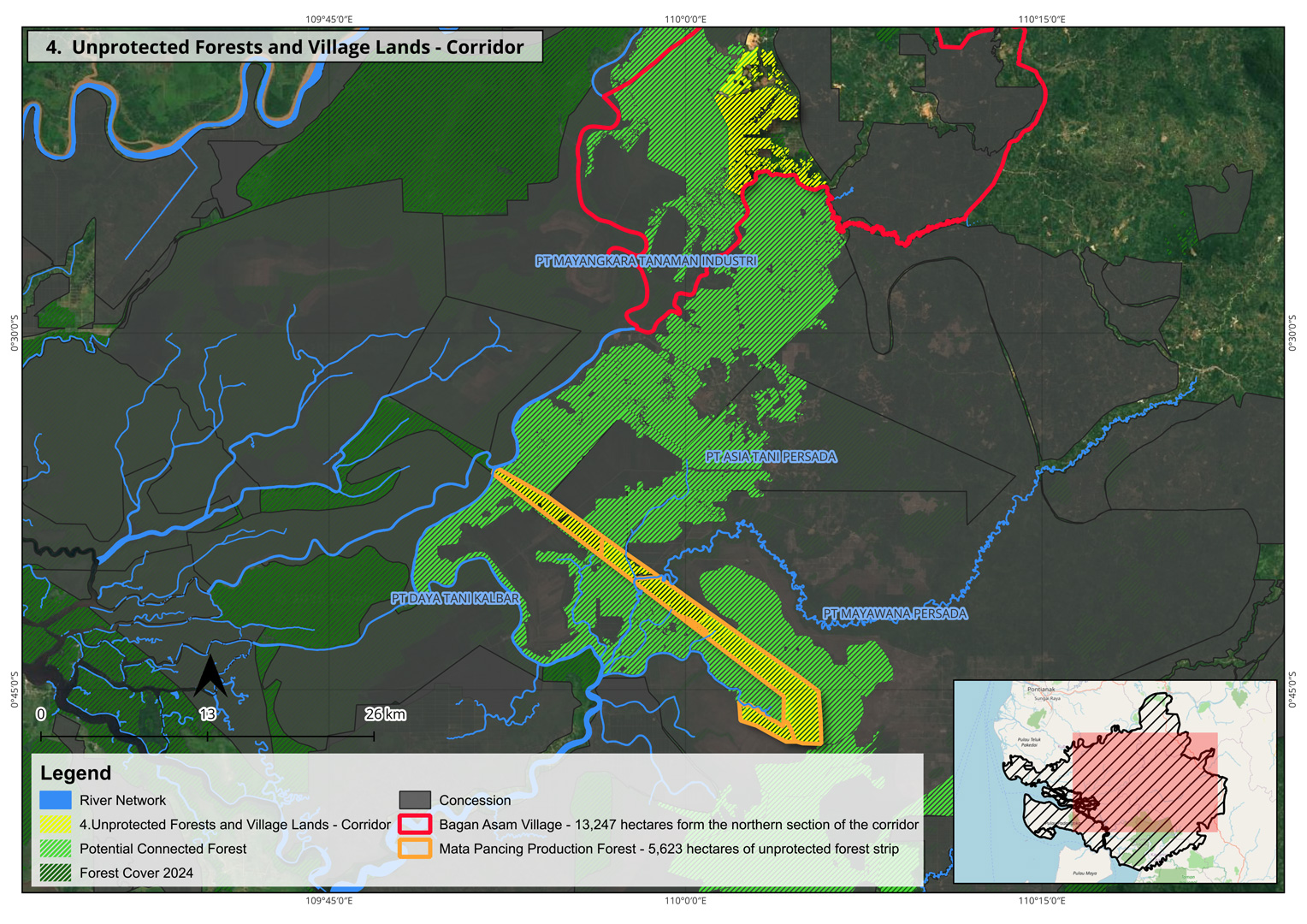
Currently being trialled in villages outside of the Mendawak Biodiversity Corridor, coconut farming will be expanded into the Corridor area throughout 2026 and 2027.