Build Public-Private Partnerships
Challenge
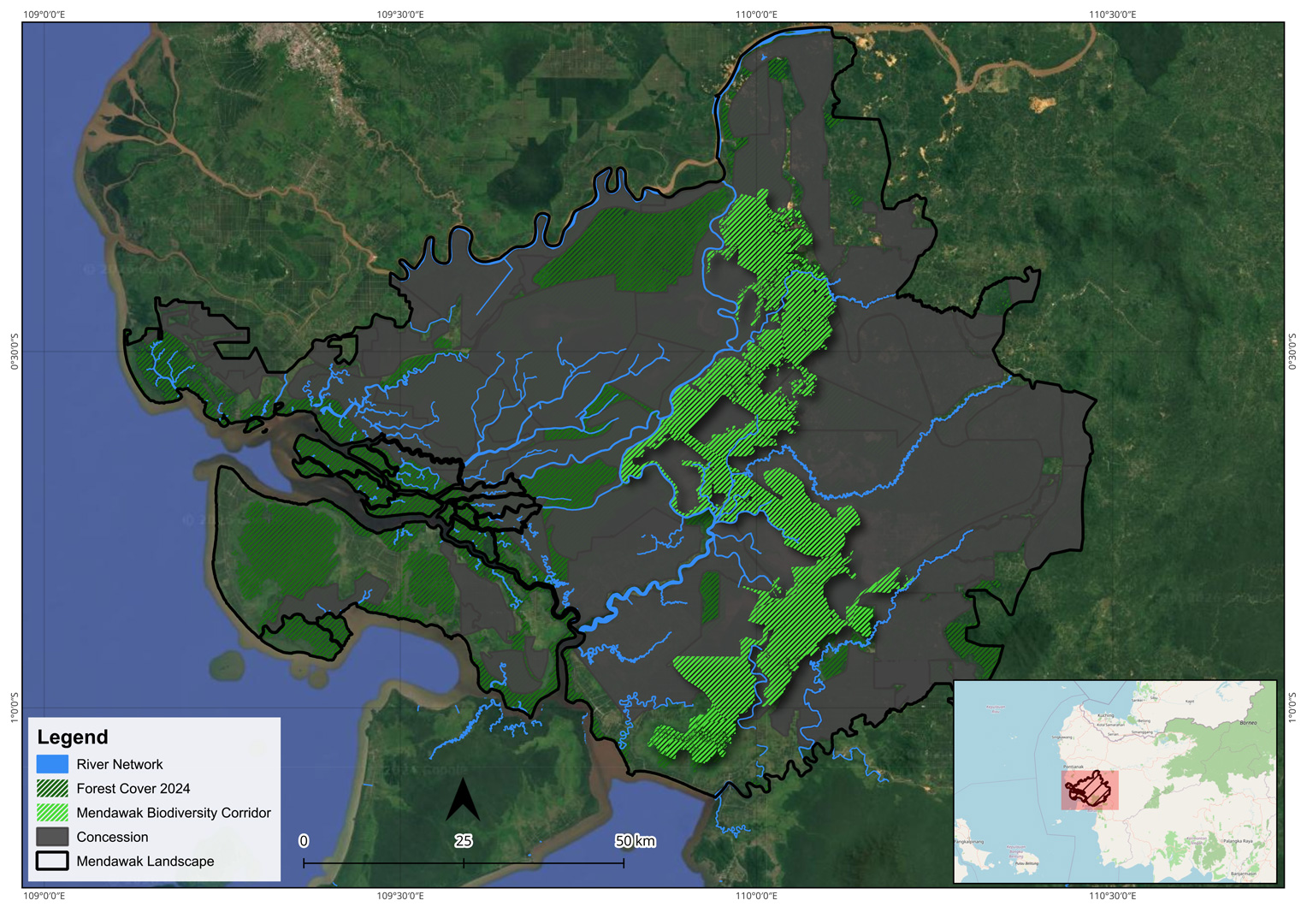
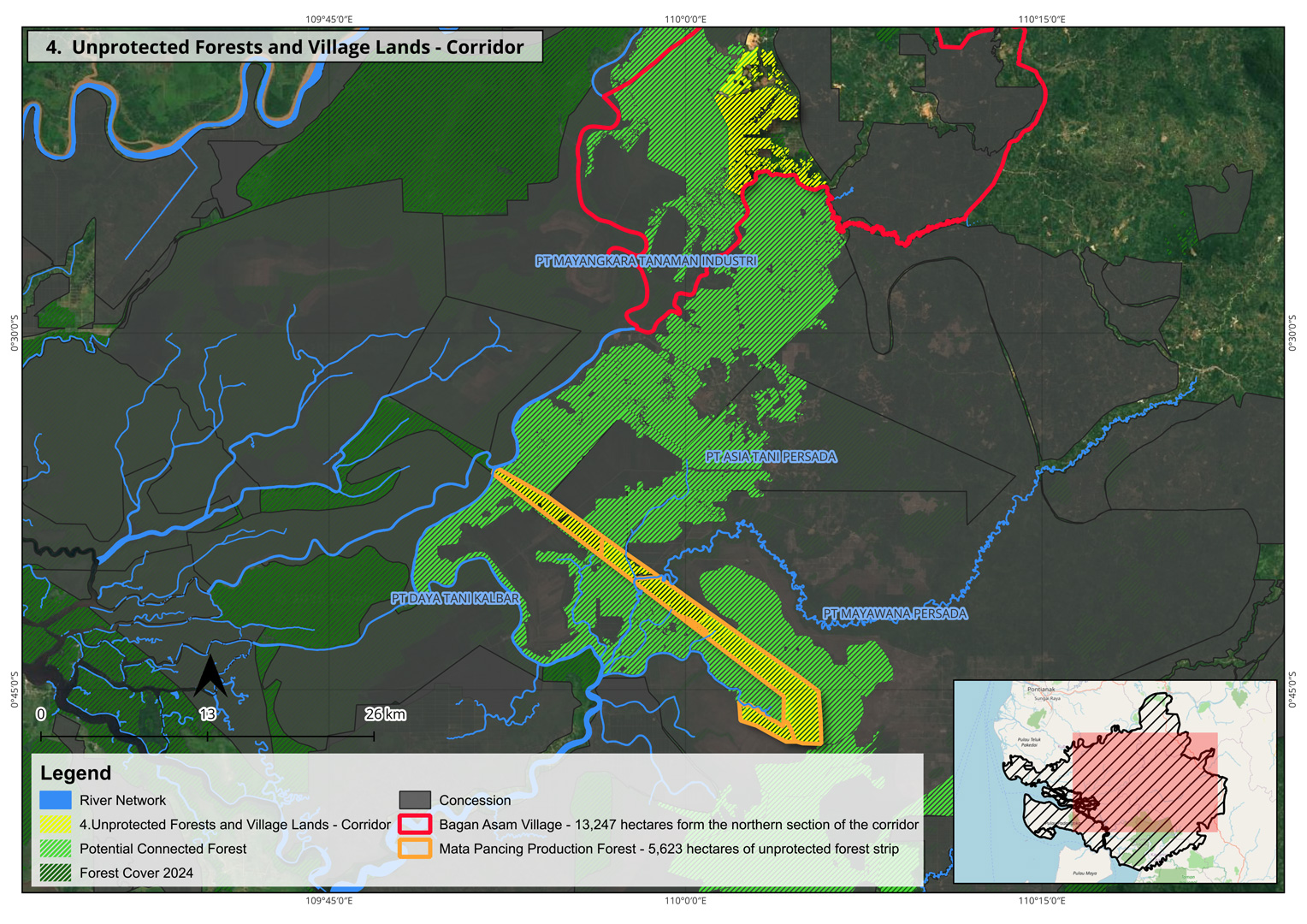
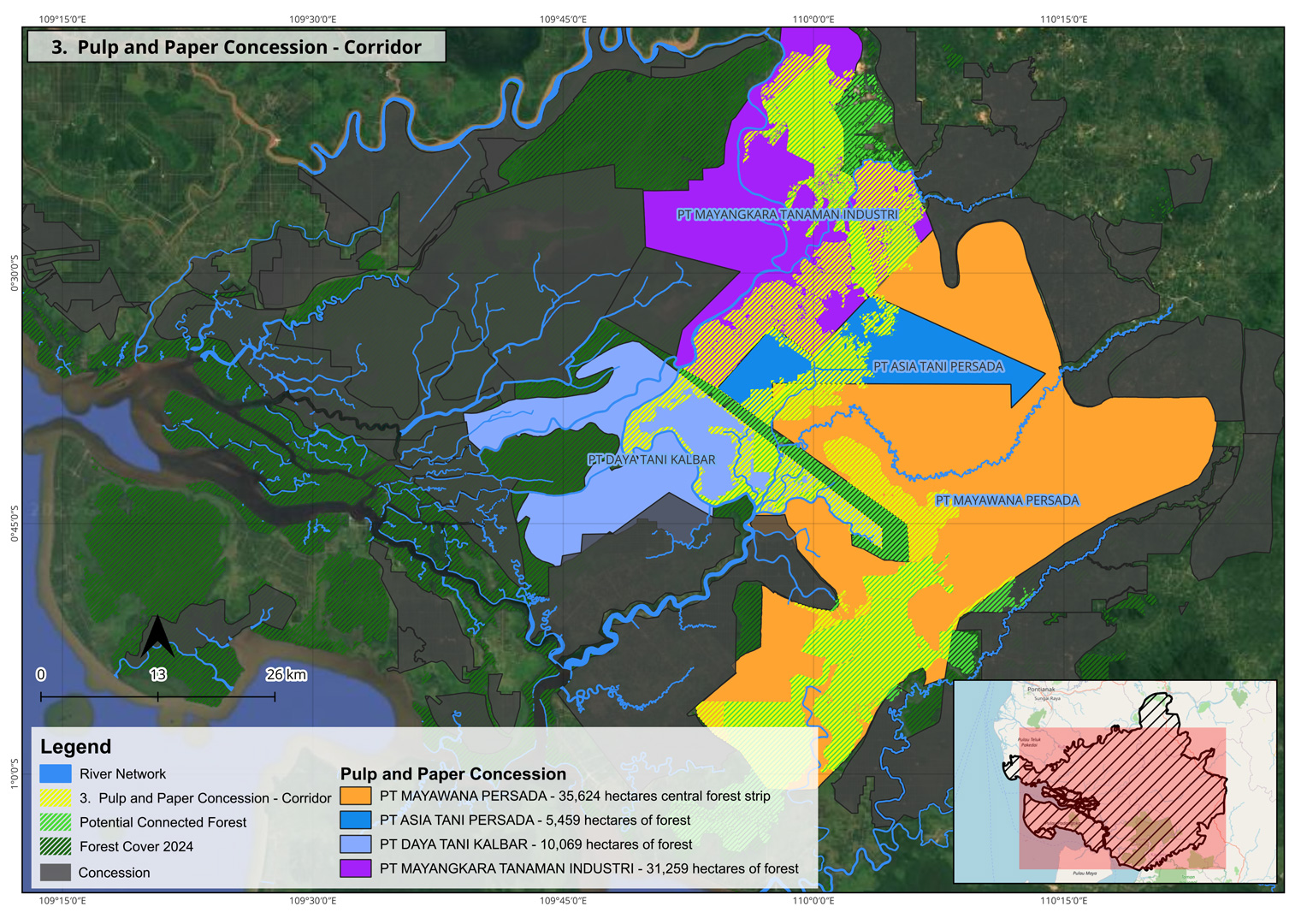
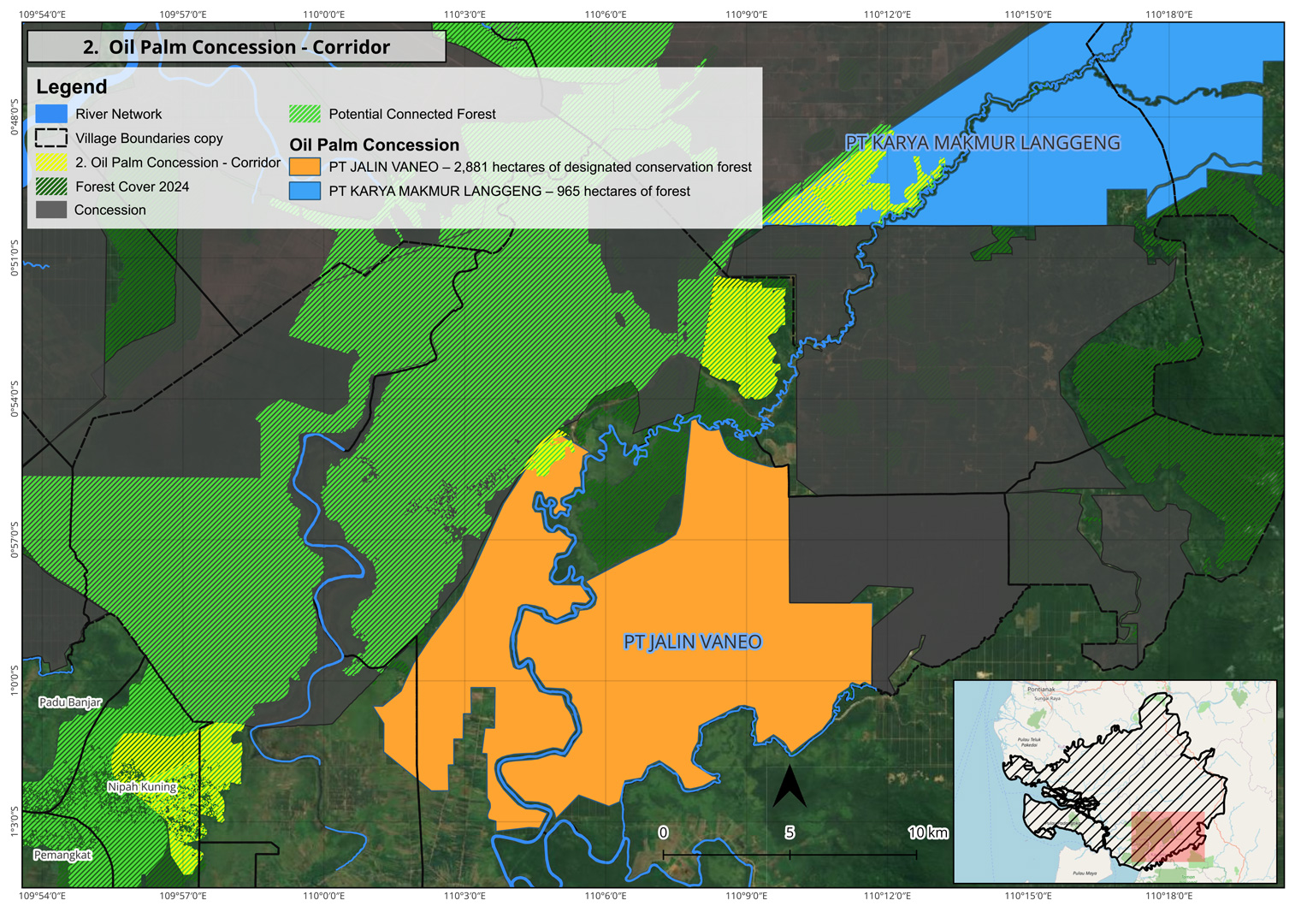
The Indonesian government encourages the establishment of agriculture, forestry, and mining concessions as part of its economic development strategy and efforts to make Indonesia food secure. In Mendawak, corporate concessions dominate the landscape. They typically operate with the correct legal permits, although not always in accordance with specific regulations designed to safeguard key species or important habitats. As so much biodiversity is within industrial concessions, concession companies have an outsized influence on the outcome of conservation projects. Forest conservation projects, particularly those targeting large mammals with big home ranges like orangutans, will not succeed if they don’t involve concession operators.
Concession companies are often the best placed to help villagers. They have resources and infrastructure (buildings, boats, trucks) that could be used to help villagers access markets and build local economies. However, the relationship between villagers and the companies that operate in their villages is often complex. In Mendawak, we see a variety of views, from happiness that concession companies operate and provide jobs, to indifference, to outright hostility and frequent protests. These complex relationships often impede the development of effective Corporate Social Responsibility (CSR) programmes and harm villagers.
Solution
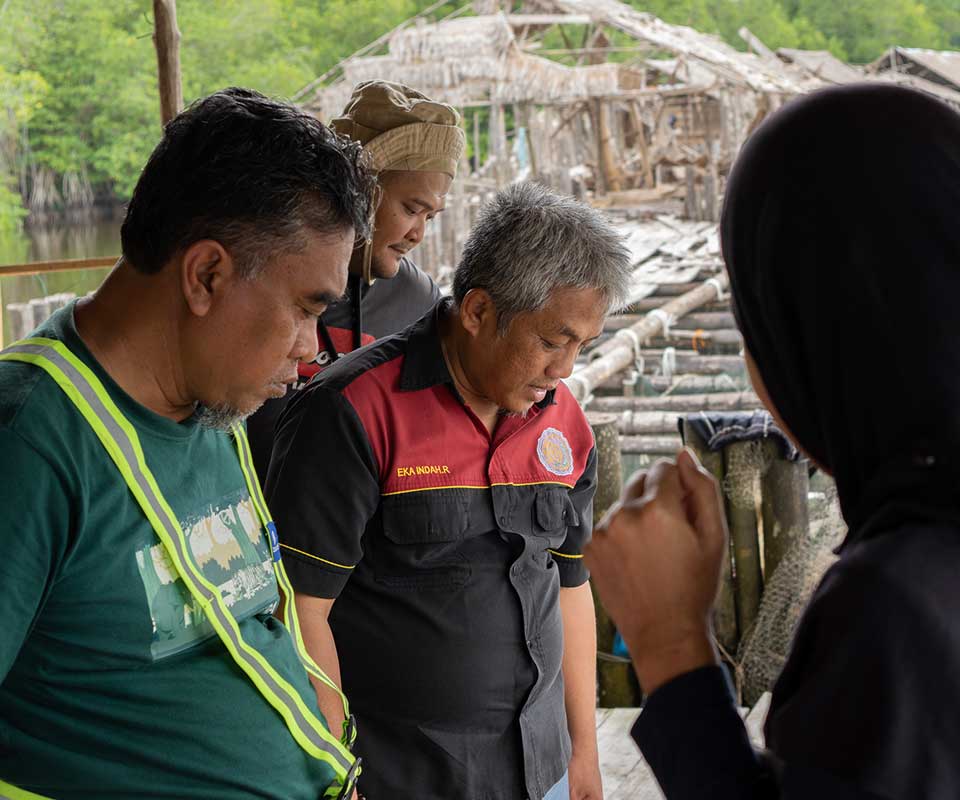
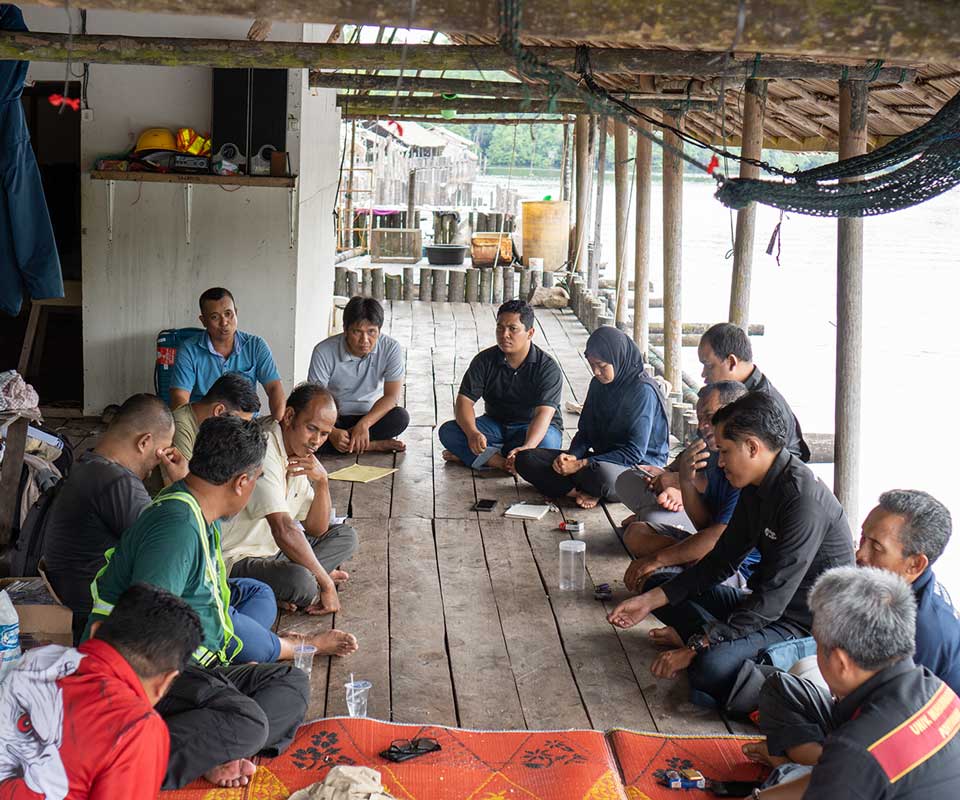
Indonesia has various policies at the national and regional levels that govern corporate behaviour. Additionally, every commodity that is cultivated through industrial concessions is generally also regulated by voluntary and mandatory standards that govern concession development practices. We support the implementation of these rules and encourage adherence to industry best practice standards. Key to this approach is to facilitate dialogue between community representatives and companies. This dialogue can result in the development or improvement of CSR programmes that can have a real impact on the lives of rural communities, the resolution of land disputes, and the establishment of co-management agreements that strengthen forest governance.
Progress
We currently facilitate engagement between companies operating in Mendawak and representatives of village communities whose territories overlap with concession areas. Using CSR schemes as a supporting instrument, we are supporting the development of the following initiatives:
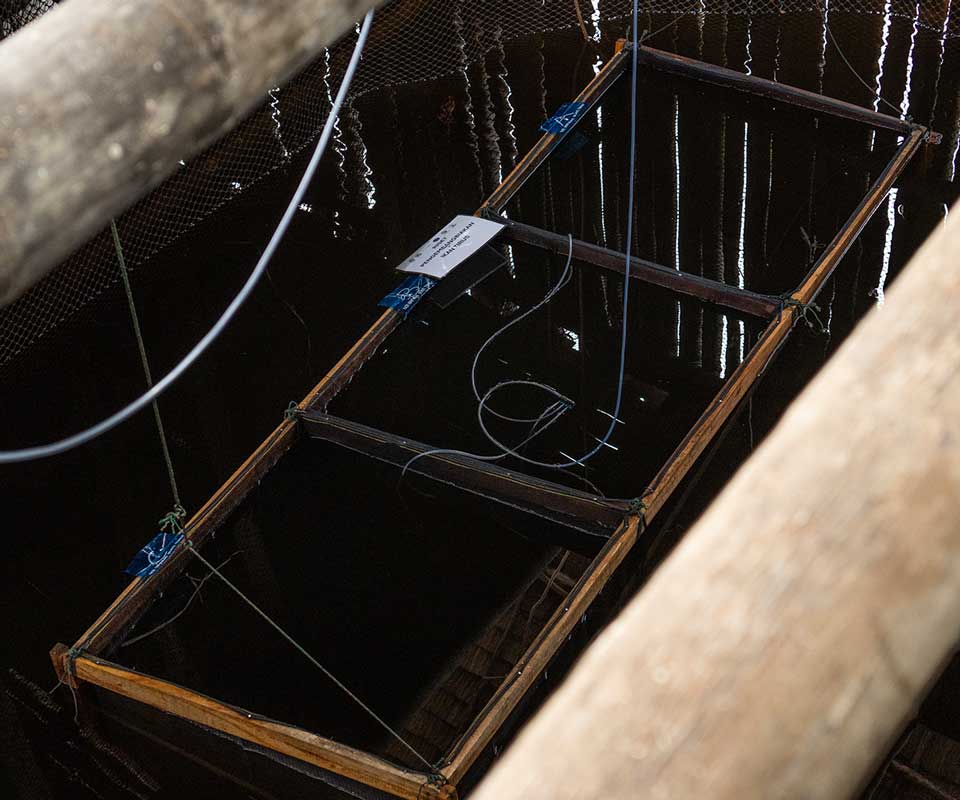
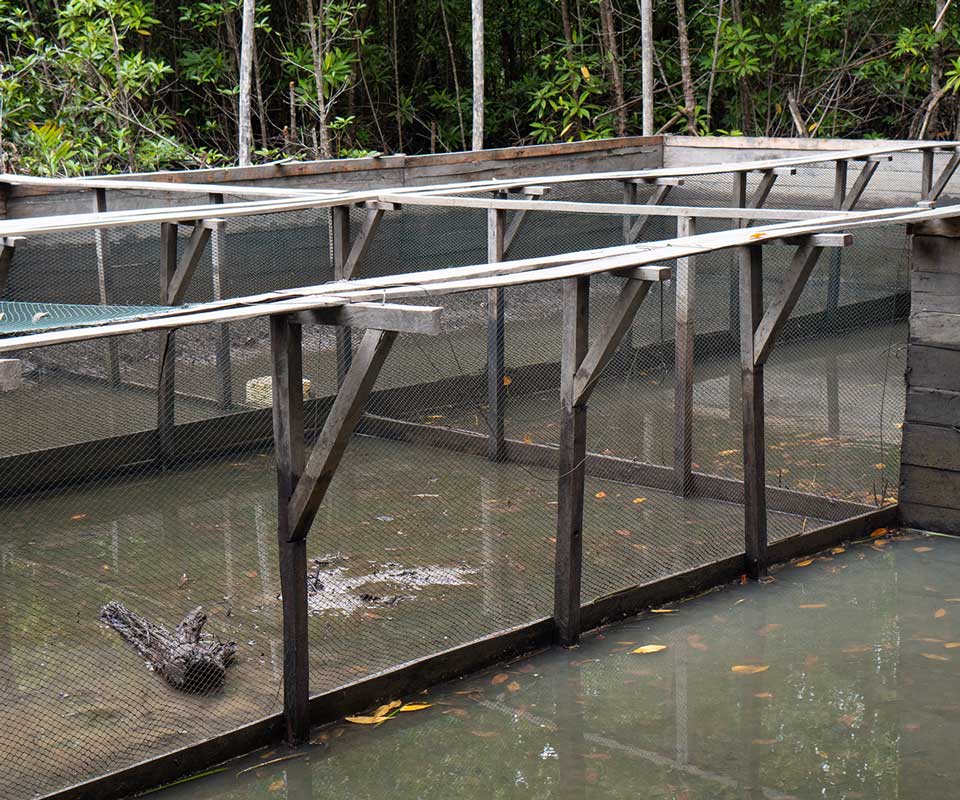
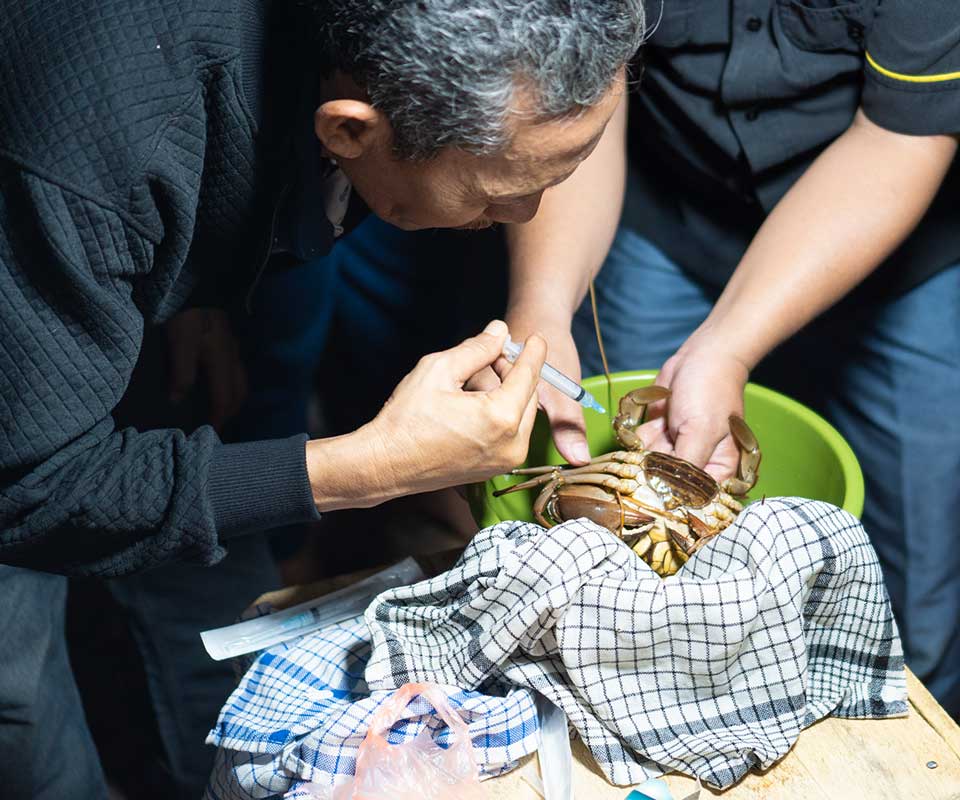
- A partnership between the Kubu Bersatu Forest Farmer Group and PT Kandelia Alam in Kubu village, to manage five hectares of coastal mangrove forest. The partnership focuses on the development of conservation-based economic activities, including the development of alternative food sources for aquaculture systems, the cultivation of tapered fish and mangrove crabs, the promotion of ecotourism, and the utilisation of non-timber forest products. Through the partnership, Farmer Group members are trained to lead activities and are supported, financially and logistically, by PT Kandelia Alam through the company’s CSR programme.
- A partnership between the Agro Hijau Lestari Forest Farmer Group and PT Daya Tani Kalbar in Sumber Agung village, to sustainably manage a 707 hectare agroforestry area inside PT Daya Tani Kalbar’s pulp and paper concession. This partnership includes activities like tree species enrichment, utilisation of non-timber forest products and agroforestry development, supported through PT Daya Tani Kalbar’s CSR programme.
- Facilitating support from PT Gerbang Benua Raya and PT Daya Tani Kalbar for an area of 5.2 hectares to become an Integrated Village-Based Management Model. The model area will demonstrate how different economic activities can be integrated and developed on the same patch of land. The centre, currently being built, will include a Bido coconut nursery and cultivation area, and agroforestry training area. The centre will eventually become the main supplier of Bido coconut seedlings in West Kalimantan, serving as a model for the integration of corporate CSR programs with village development.